A Gallic rooster tattoo links a proud silhouette to a shared history. Associated with France since Antiquity, the rooster carries meanings of pride, courage and vigilance, and it belongs to a family of republican symbols that many people choose to tattoo together: Marianne, the Phrygian cap, the national motto and the tricolour flag.
Gallic Rooster Tattoo Meaning
The rooster is the animal chosen to represent France. The explanation comes from a pun: in Latin, gallus means both the rooster and the Gaul, the inhabitant of ancient Gaul. Over the centuries the bird became a national emblem, and the French still describe a proud person as being "fier comme un coq", proud as a rooster. These symbols also belong to the "principles and values" theme of the French civic exam, which foreign nationals now pass before a first multi-year residence card, a resident card or naturalisation: the revision sheets of Civique en Poche (in French) go over the motto, secularism and the symbols of the Republic for anyone preparing for it.
In a tattoo, the rooster first reads as a symbol of identity. It expresses attachment to a country, a region or a family history. Its crow at dawn also gives it a meaning of awakening and renewal: it announces the morning and chases away the night.
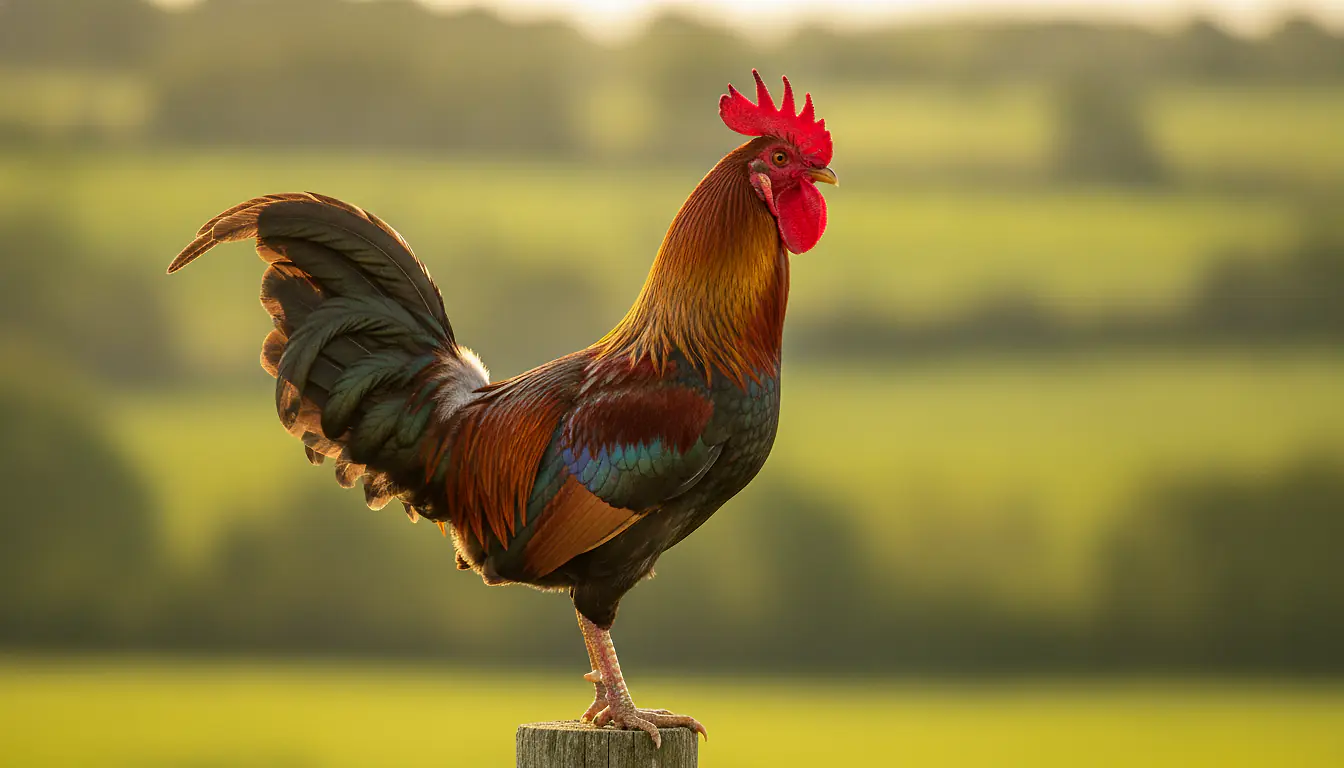
Posture matters. A rooster standing tall, comb high and chest puffed out, suggests pride and fighting spirit. A rooster at rest, drawn more simply, speaks of quiet vigilance and the protection of the home.

Symbols of the Republic to Pair with the Rooster
The rooster combines naturally with the other republican emblems. Each one adds a nuance to the meaning of the tattoo.
Marianne and the Phrygian cap. Marianne is the face chosen during the French Revolution to represent Liberty and the Republic, and her bust stands in town halls across France. Her cap, known as the Phrygian cap, was worn in Antiquity by freed slaves and was taken up by supporters of the Revolution, the sans-culottes. As a tattoo, it expresses freedom won.
The tricolour flag. Born during the Revolution, it brings together the white of the king and the blue and red of the city of Paris. Article 2 of the French Constitution defines it as the national emblem. In a tattoo, its three colours stand for the unity of the country.
The motto. Liberté, Égalité, Fraternité (liberty, equality, fraternity) is also written into the Constitution. Rooted in the ideas of the Enlightenment and brought together as a triad during the Revolution, it became established under the Third Republic and appears on public buildings. A tattoo of the motto recalls shared values.
The fasces. This axe bound with rods, visible on the French passport, comes from Roman Antiquity. During the Revolution it represented the union of the French around a common cause. The bundled rods stand for the strength of the group.
La Marseillaise and Bastille Day. The national anthem was written during the Revolution, and the national holiday on 14 July recalls the Festival of the Federation of 1790. Lyrics or dates can sit next to a rooster for a more personal tribute.
To learn more about these emblems, the French presidency presents the symbols of the French Republic in simple terms (in French). The text of the Constitution of 4 October 1958 sets out the flag, the anthem and the motto.
Popular Styles for a Gallic Rooster Tattoo
Realism captures the plumage, the copper and green sheen and the red comb. It suits large pieces on the calf or the shoulder.
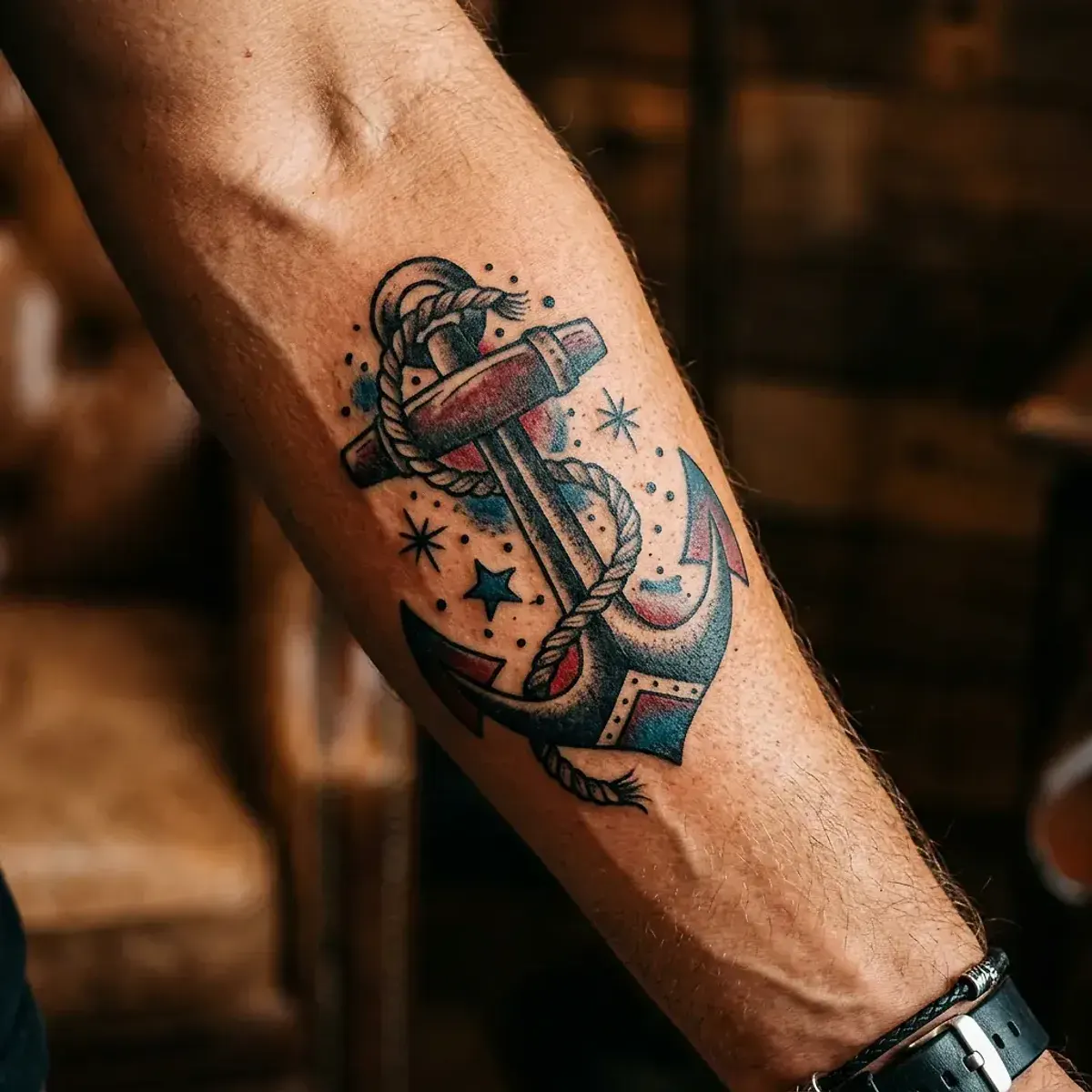
American Traditional (old school) brings bold outlines and solid colours, ideal for a fighting rooster. Blackwork and dotwork offer a graphic, more understated silhouette.
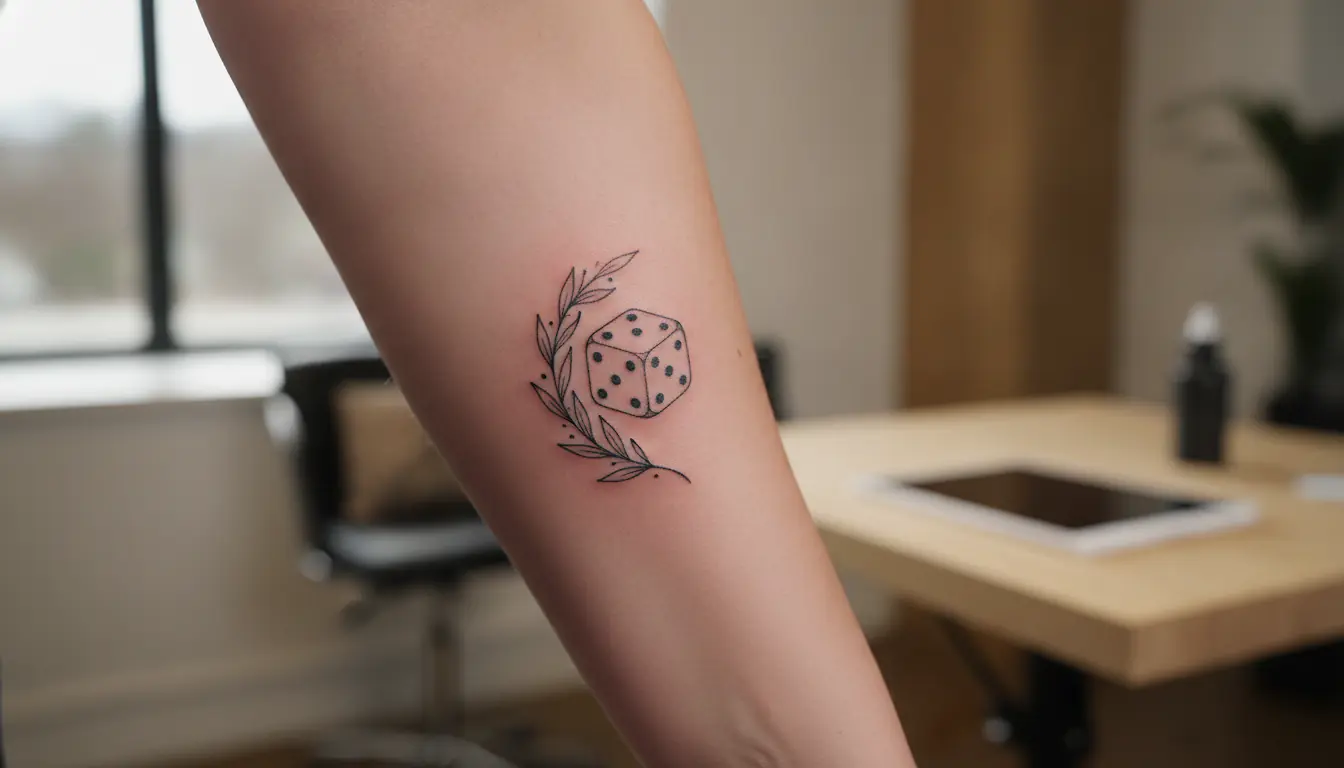
The heraldic style borrows the codes of coats of arms: a rooster in profile with one leg raised, set on a tricolour shield. Minimalist designs reduce the rooster to a few fine lines for a discreet tattoo on the wrist.
Best Placements
The forearm shows off a rooster in profile, with a good balance between visibility and discretion. The calf suits vertical compositions, the rooster's tail naturally following the curve of the muscle.
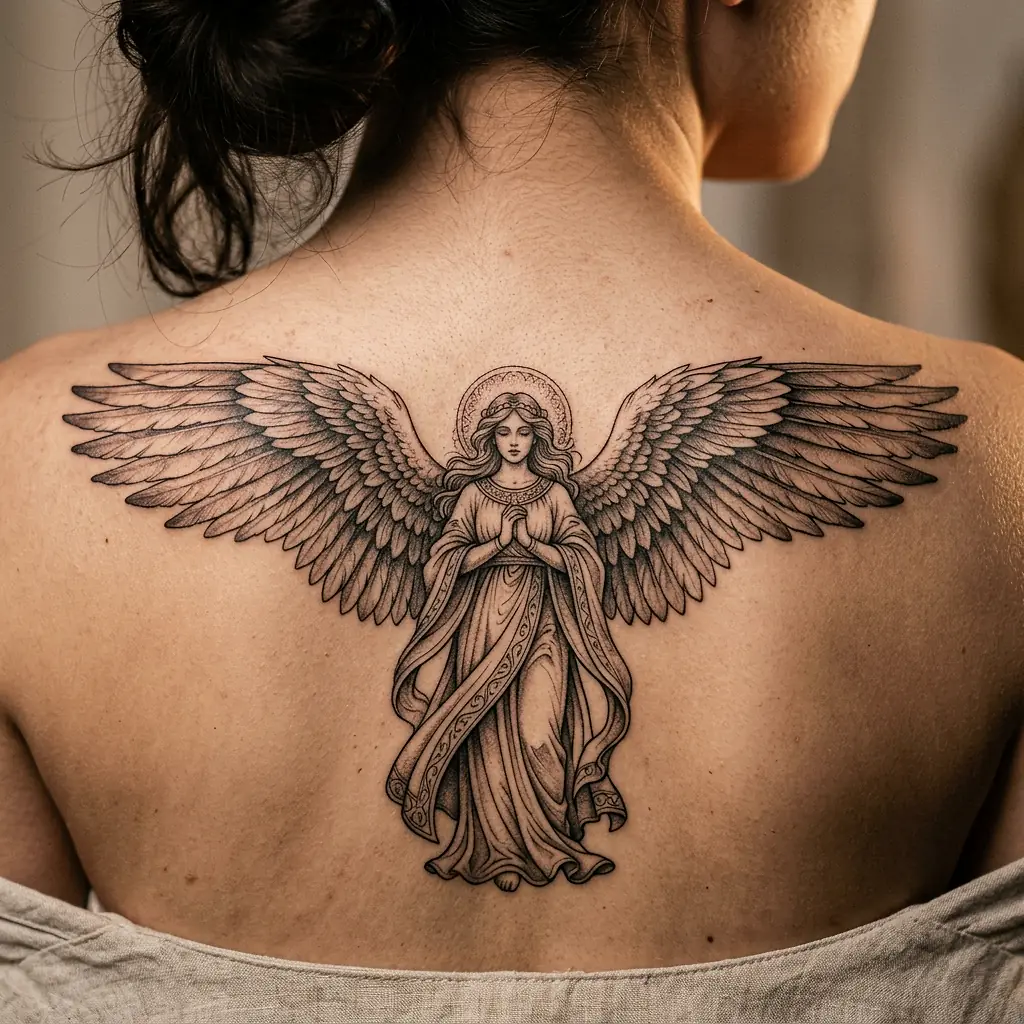
The shoulder and upper arm take a larger rooster, possibly framed by a flag. The back and thigh leave room for full scenes with Marianne, the motto or rays of sunlight.
Combining the Rooster with Other Symbols
The rooster pairs well with an eagle for a message of vigilance and freedom, or with a crown for a theme of sovereignty.
Pay attention to the historical message. The fleur-de-lis refers to the monarchy, while the Phrygian cap and Marianne refer to the Republic: combining them in one design places side by side two symbols that history long set against each other. A tattoo artist can help you choose a composition that matches what you want to say.