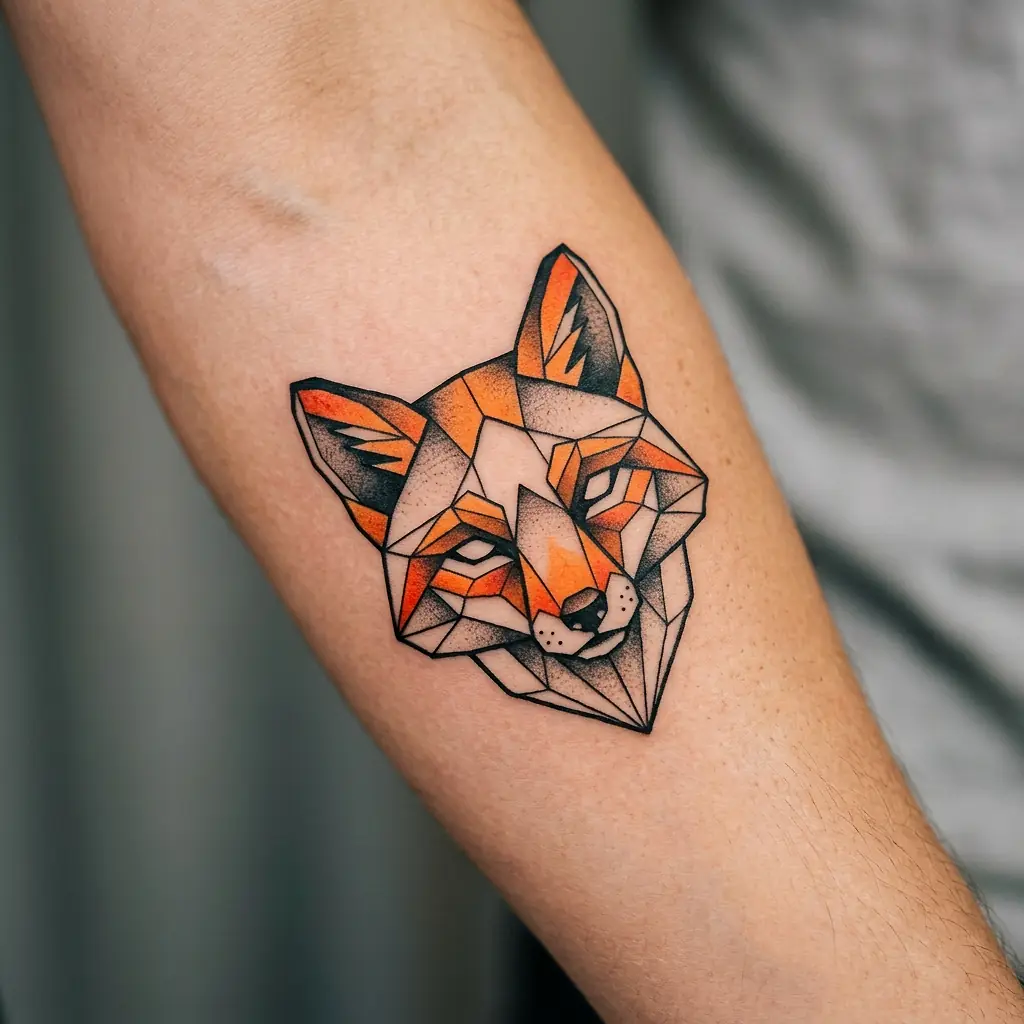
Meaning of the Fox Tattoo
The fox is one of nature’s most intelligent and resourceful creatures, making the fox tattoo a powerful emblem of cunning, adaptability, and independence. Across cultures and centuries, the fox has captivated human imagination as a trickster, a shapeshifter, and a guide between worlds.
A fox tattoo speaks to those who rely on mental agility over brute strength. It celebrates the ability to read situations, find unconventional paths, and emerge from difficulties with grace. The fox does not overpower its challenges; it outsmarts them.
Beyond cleverness, the fox carries deep associations with beauty and charm. Its flame-colored fur and alert, golden eyes have inspired artists for millennia. As a tattoo, it represents a magnetic personality, natural elegance, and an untamed spirit that refuses to be domesticated.
Origins and History
In Japanese mythology, the kitsune is one of the most significant spiritual beings. These foxes possess shapeshifting abilities and grow additional tails as they age, with the nine-tailed fox representing ultimate wisdom. Kitsune serve as messengers of Inari, the deity of rice, fertility, and prosperity, making them sacred figures in Shinto tradition.
Celtic peoples revered the fox as a spirit guide and a creature of the forest that knew every hidden path. Druids considered the fox a power animal capable of leading souls through enchanted woodlands and between the physical and spiritual realms.
In Native American traditions, the fox appears as both a playful trickster and a benevolent teacher. Among the Plains tribes, the fox served as a messenger between the physical and spiritual worlds. Inuit stories describe the arctic fox as a guide for lost travelers.
Norse mythology connects the fox to Loki, the god of mischief and transformation. This association reinforces the link between the fox and themes of change, cunning, and the ability to challenge established order.
Popular Styles
Geometric fox tattoos are among the most requested designs. Angular lines and abstract shapes capture the essence of the animal while delivering a contemporary aesthetic. A fox deconstructed into triangles and polygons creates a striking effect, particularly on the forearm or calf.
Realism showcases the fox’s piercing gaze and the rich gradations of its auburn fur. This style demands an experienced artist capable of rendering the subtle shifts in the coat and the depth of those amber eyes.
Neo-traditional designs feature bold outlines and saturated colors that give the fox an almost illustrative quality. Japanese traditional style, depicting the kitsune surrounded by flames or clouds, offers a powerful mythological dimension.
Watercolor brings fluid splashes of color that evoke the fox’s natural movement and grace, while blackwork creates an elegant, timeless silhouette.
Recommended Placements
The forearm is a prime location for a fox in motion or a stylized portrait. The elongated shape of the arm naturally complements the animal’s silhouette. The calf provides generous space for a detailed fox design that can be shown or concealed at will.
The thigh allows for ambitious compositions: a running fox surrounded by autumn foliage creates a vivid tableau. The shoulder blade perfectly accommodates a seated fox gazing over the shoulder.
A full arm sleeve lends itself to integrating the fox into a forest scene with trees, mushrooms, and moonlight. For subtler placements, the wrist or nape suits a minimalist fine-line fox.
Combinations and Associations
The fox integrates naturally into a woodland setting: oak branches, reddening maple leaves, mushrooms, and moss compose a rich autumnal backdrop. Paired with a deer, it creates a tableau of noble wildlife.
A fox combined with the moon evokes nocturnal mystery and intuitive wisdom. Geometric patterns in the background, such as mandalas or concentric circles, add a spiritual dimension to the composition.
In Japanese style, the fox paired with peonies or chrysanthemums blends animal grace with botanical beauty. A kitsune surrounded by flames or torii gates anchors the design firmly in Japanese culture and mythology.