Dreaming of a Wolf: General Meaning
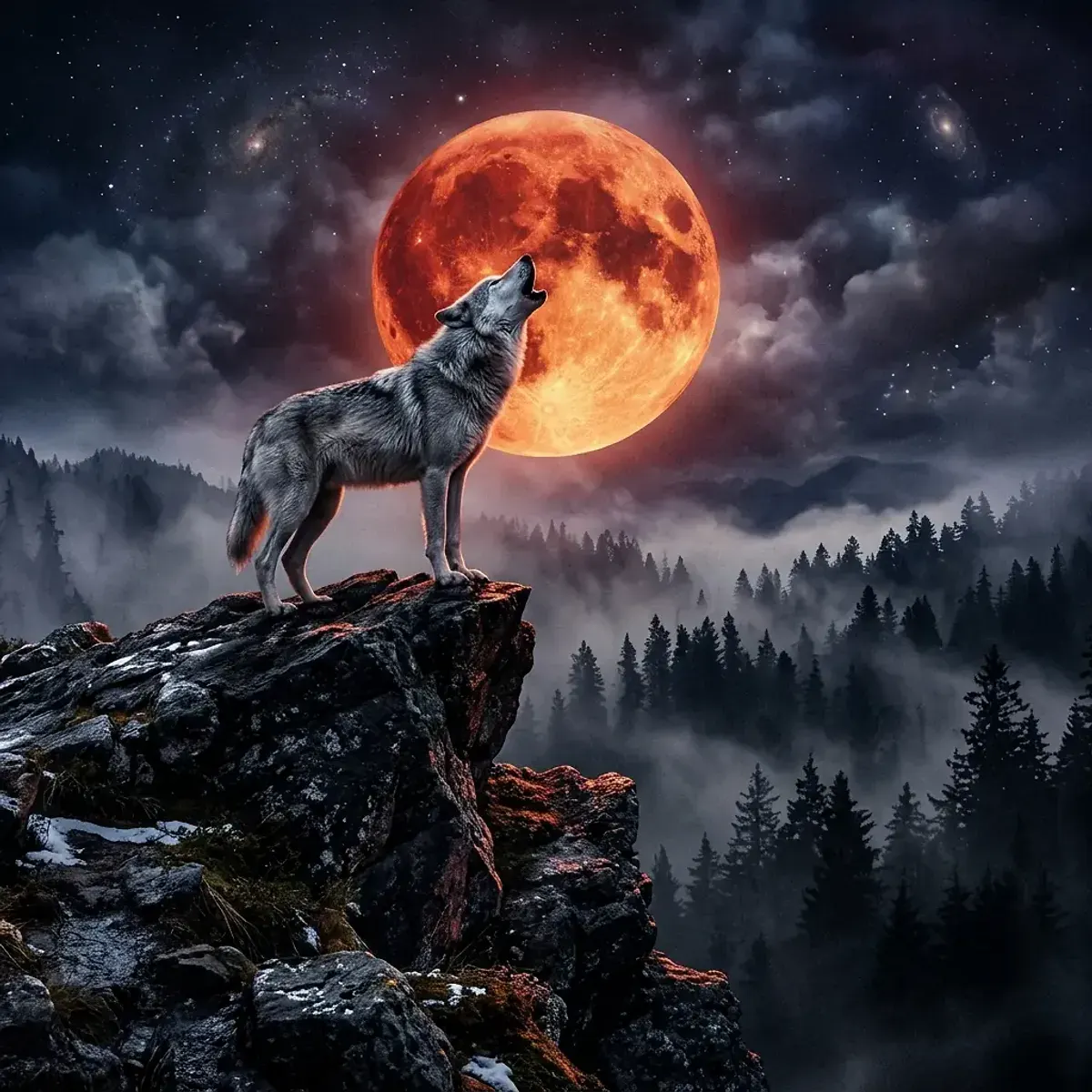
Wolves in dreams are powerful symbols representing wildness, primal instinct, freedom, power, intuition, and the untamed aspects of your nature. Wolves are intelligent, fierce, loyal, and operate from instinct with stunning effectiveness. In dreams, the wolf calls you to access your own primal power, to trust your instincts, and to reconnect with the wild aspects of yourself that civilization may have suppressed. Wolves are also deeply social, living in structured packs—representing how your power functions within community and relationship. When a wolf appears, you’re encountering the raw, vital energy within yourself that refuses domestication and insists on authenticity.
Positive Interpretations
Peaceful wolves, wolves running free, or wolves guiding you celebrate your primal power, instinctual wisdom, and freedom. These dreams indicate you’re accessing authentic power and trusting your gut feelings. A wolf in a pack suggests your power functions well within community and that you’re finding your tribe—people who honor your authenticity. A white wolf often indicates spiritual awakening and accessing higher intuition. These dreams appear when you’re reconnecting with your wild nature, developing confidence in your instincts, and refusing to shrink yourself for others’ comfort. They celebrate your power and fierceiness as positive qualities.
Negative Interpretations
Attacking, threatening, or starving wolves warn of unleashed aggression, danger, or primal power becoming destructive. A wolf attacking indicates your own or others’ aggression is harming you. A wolf stalking suggests danger you need to address. Multiple aggressive wolves indicate overwhelming primal forces. These dreams may warn of your own power becoming destructive or of danger in your environment. They invite examination of whether you’re channeling primal energy constructively or whether it’s being expressed destructively. They call attention to situations requiring protection and caution.
Wolves and Dream Psychology
From a Jungian perspective, the wolf represents the shadow self—the aspects of yourself society calls animal, wild, or unacceptable. Jung believed integration of shadow was essential to wholeness. The wolf represents power that refusal to integrate creates danger—it emerges destructively rather than functioning constructively. Freud associated wolves with father figures and primal aggression. Modern psychology recognizes wolf dreams as calling you toward authentic power that doesn’t require performance or shrinking.
Dream Variations and Contexts
The wolf’s specific behavior determines meaning. A peaceful wolf suggests integrated primal power. A hunting wolf indicates active pursuit of goals. A protective wolf indicates effective boundaries. An isolated wolf suggests alienation from your power. A wolf with cubs indicates nurturing your wild nature. A white or silver wolf suggests spiritual power. A black wolf indicates shadow integration. A wounded wolf suggests power that’s been hurt. A talking wolf indicates wisdom available to you.
What to Do After This Dream
Reclaim your primal power and authenticity. Where have you been domesticated beyond your wellbeing? What instincts have you been taught to suppress? How can you access your fierceness while maintaining responsibility? If the wolf felt threatening, examine your aggression and ensure it’s being channeled constructively. Channel primal energy through physical activity, honest self-expression, and purposeful action. Remember that wildness isn’t necessarily destructive—it’s authentic, powerful, and necessary for full human functioning. The wolf dream invites you to stop apologizing for your power and to trust your instinctual wisdom.