Dreaming of Snow: General Meaning
Snow in dreams represents purity, transformation, silence, stillness, crystallized emotions, and the beauty of winter that precedes spring renewal. Snow is frozen water—emotions or situations crystallized into stillness. Snow also covers imperfections, offering a blank white landscape that invites new creation and beginning. The silence of snow is profound—it muffles ordinary sound and invites deep listening. When snow appears in your dreams, you’re encountering invitation to pause, to experience purity, and to recognize that freezing sometimes precedes transformation. Snow dreams celebrate both the necessity of winter and the promise of eventual thaw and spring renewal.
Positive Interpretations
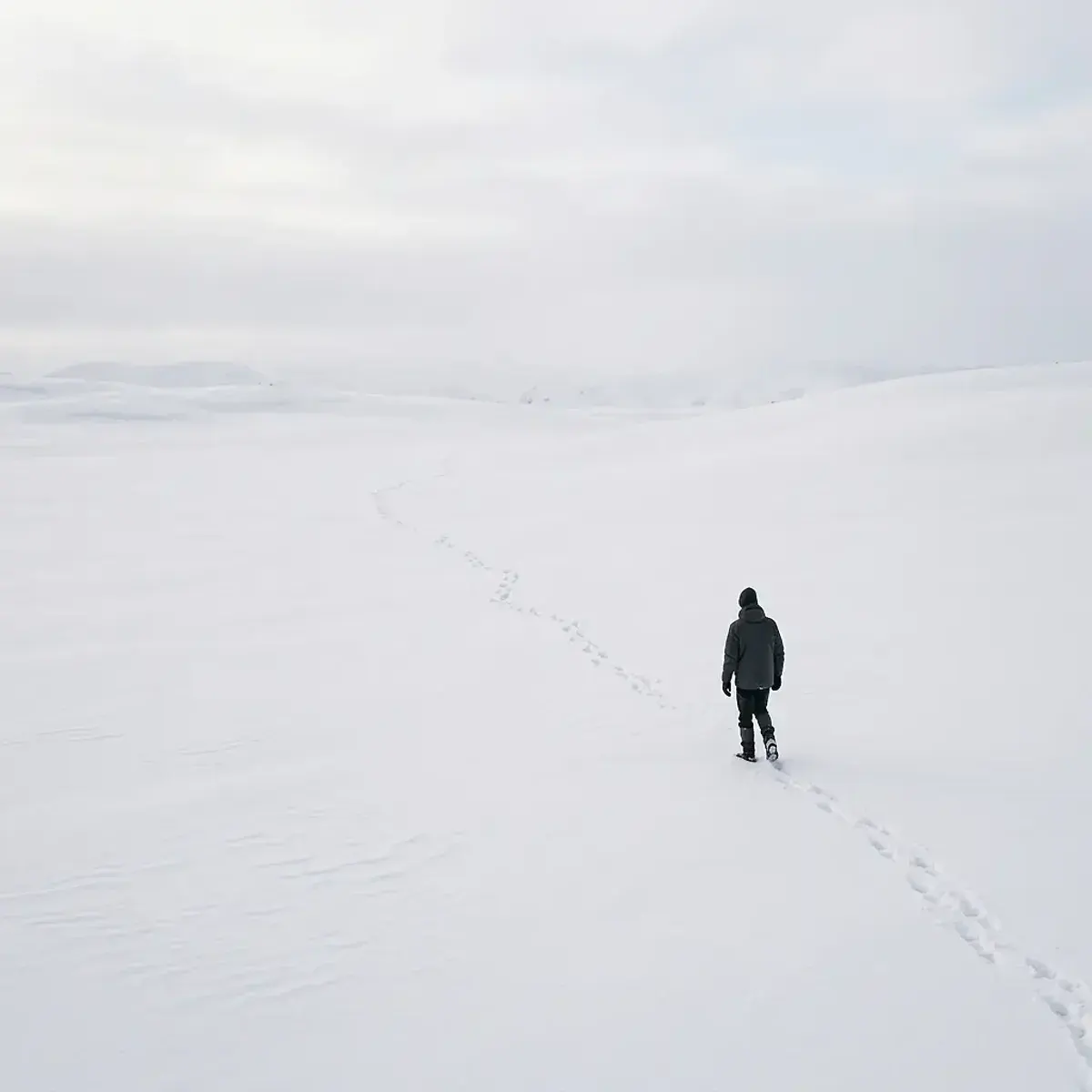
Beautiful, gentle snow indicates purity, fresh starts, and the restorative power of stillness. Snow falling softly suggests peace and natural renewal cycles. Walking peacefully in snow indicates acceptance of life’s winter seasons. Pristine white snow suggests new beginnings and the ability to start fresh. A snow-covered landscape suggests natural beauty beyond ordinary perception. These dreams appear when you’re ready for renewal, when you’ve completed cycles and are ready to begin again, or when you’re appreciating the quiet beauty that exists within stillness. They celebrate your capacity to move through winter seasons and trust that spring will come.
Negative Interpretations
Deep, suffocating snow or being snowed in warns of feeling stuck, isolated, or that emotions have become too frozen for movement. A blizzard indicates being overwhelmed by circumstances or emotions. Being unable to move through snow suggests progress is blocked. Freezing in snow indicates danger and the need for warmth and connection. These dreams invite examination of whether you’ve stayed in winter too long or whether frozen emotions need thawing. They may warn of isolation or numbness that’s protecting you but also preventing living fully.
Snow and Dream Psychology
From a Jungian perspective, snow represents the clean slate required for new beginning and the silence necessary for deep listening to the Self. Jung valued snow and winter as necessary parts of psychological cycles. Modern psychology recognizes snow as representing frozen emotions and the beauty that exists in quiet stillness. Snow dreams often appear during actual winter or during emotional seasons requiring pause and reflection.
Dream Variations and Contexts
The snow’s specific characteristics and your experience in it determine meaning. Beautiful falling snow suggests natural renewal. Deep snow indicates being stuck. Melting snow indicates thawing. Blizzard indicates overwhelm. Clean snow suggests fresh starts. Dirty snow indicates contamination. Snowflakes suggest uniqueness. Snow blocking paths indicates obstacles. Playing in snow indicates joy in winter. Freezing indicates danger. Each variation reveals your specific relationship with stillness and frozen emotion.
What to Do After This Dream
Assess whether you’re in a winter season that’s restorative or one that’s extended too long. Are emotions or situations frozen in ways that require thawing? Do you need to give yourself permission to rest and be still, or do you need to move toward renewed activity? If the snow felt beautiful, use the dream as encouragement to appreciate necessary seasons of rest and silence. If the snow felt isolating, identify frozen emotions or stalled situations and begin gentle warming—through connection, movement, and renewed engagement. Remember that every winter is followed by spring and that rest is essential to renewal. Use the snow dream as reminder that stillness has its own beauty and purpose.