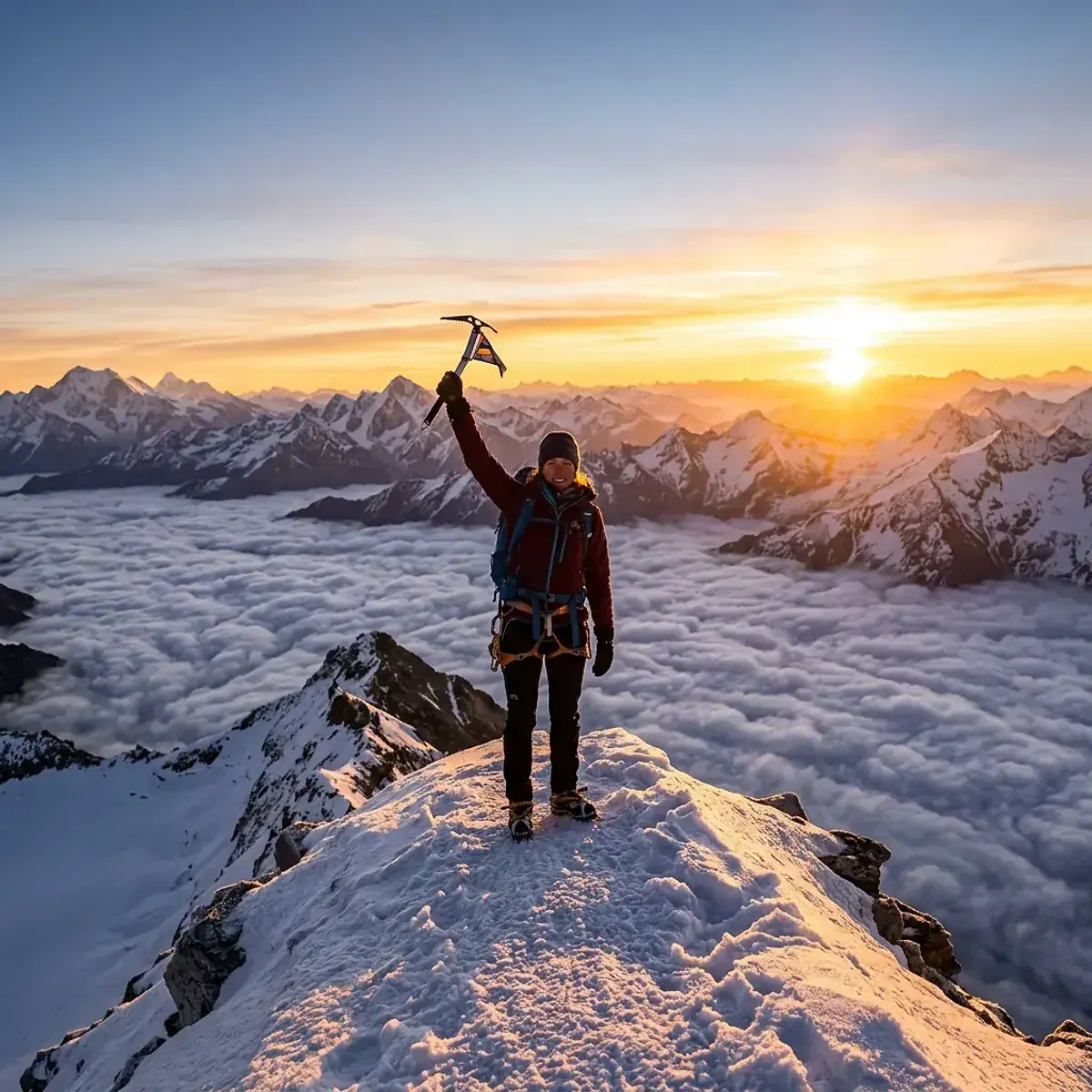
Dreaming of a Mountain: General Meaning
Mountains in dreams represent significant obstacles, meaningful goals, challenges requiring effort and persistence, and the spiritual elevation that comes from overcoming what seems insurmountable. Mountains are both barriers and paths—they block direct access yet offer routes to higher perspectives. Climbing a mountain is archetypal—it appears in mythology, spirituality, and personal psychology as the hero’s journey toward self-mastery and enlightenment. When a mountain appears in your dreams, you’re encountering the part of yourself that’s willing to work toward difficult goals and the recognition that meaningful achievements require sustained effort. Mountains remind us that the view from the peak is earned through the climb.
Positive Interpretations
Successfully climbing a mountain or reaching its peak celebrates overcoming significant obstacles and achieving meaningful goals. A beautiful mountain suggests your goals are inspiring and worth the effort. Clear weather during the climb indicates favorable conditions for progress. Other climbers suggest community and shared purpose. A spectacular view from the peak celebrates the perspective and wisdom earned through perseverance. These dreams appear when you’re building capability to handle challenges and when you’re achieving goals through dedicated effort. They affirm that difficult climbs are worthwhile and that the journey transforms you as much as reaching the peak does.
Negative Interpretations
Unable to climb, losing your footing, or avalanches warn that obstacles feel insurmountable or that you’re doubting your capacity. A mountain that grows higher the more you climb suggests goals receding as you approach them. Stormy weather indicates difficult conditions and possible danger. Getting lost on the mountain suggests confusion about your path. These dreams invite examination of whether your goals are truly yours or whether you’ve taken on others’ mountains. They may warn of unrealistic expectations or insufficient resources for the journey you’re attempting.
Mountains and Dream Psychology
From a Jungian perspective, the mountain represents the Self at its peak and the individuation journey that requires climbing toward wholeness. The mountain’s ascent symbolizes the difficult but rewarding journey toward integration and enlightenment. Modern psychology recognizes mountains as representing your capacity to handle challenges and pursue meaningful goals despite obstacles.
Dream Variations and Contexts
The mountain’s specific characteristics and your experience climbing it determine meaning. A high peak suggests ambitious goals. A low hill suggests smaller challenges. Clear skies suggest favorable conditions. Storms indicate difficulty. Other climbers indicate community. Solitary climbing suggests individual journey. Equipment suggests resources. Getting lost indicates confusion. Sliding down indicates losing progress. A rest stop indicates pacing yourself. Multiple peaks suggest multiple challenges.
What to Do After This Dream
Assess the significant challenges and goals you’re pursuing. Are they genuinely yours or have you accepted others’ mountains? Do you have adequate resources and support for the climb? Break the journey into manageable stages rather than focusing on the distant peak. Celebrate progress and give yourself credit for effort regardless of current progress. If the climb felt impossible, consider whether you’re attempting the right mountain or whether you need more preparation. Remember that mountains have not killed anyone’s dreams—only the refusal to begin the climb does. Use the mountain dream as encouragement to pursue meaningful goals with persistence and realistic pacing.