Dreaming of the Moon: General Meaning
The moon in dreams represents intuition, mystery, cycles, feminine power, dreams, the unconscious mind, and the knowing that comes without reason. While the sun illuminates directly through force, the moon reflects light—suggesting that intuitive knowing comes through receptiveness rather than aggression. The moon governs tides, menstrual cycles, and sleep—all aspects of life’s rhythms and hidden forces. Moon dreams celebrate your connection to intuitive wisdom and your alignment with natural cycles. The moon is also the realm of dreams, magic, and the mysterious—dimensions of reality that rational mind alone cannot access. When the moon appears in your dreams, you’re encountering the deeper knowing within yourself.
Positive Interpretations
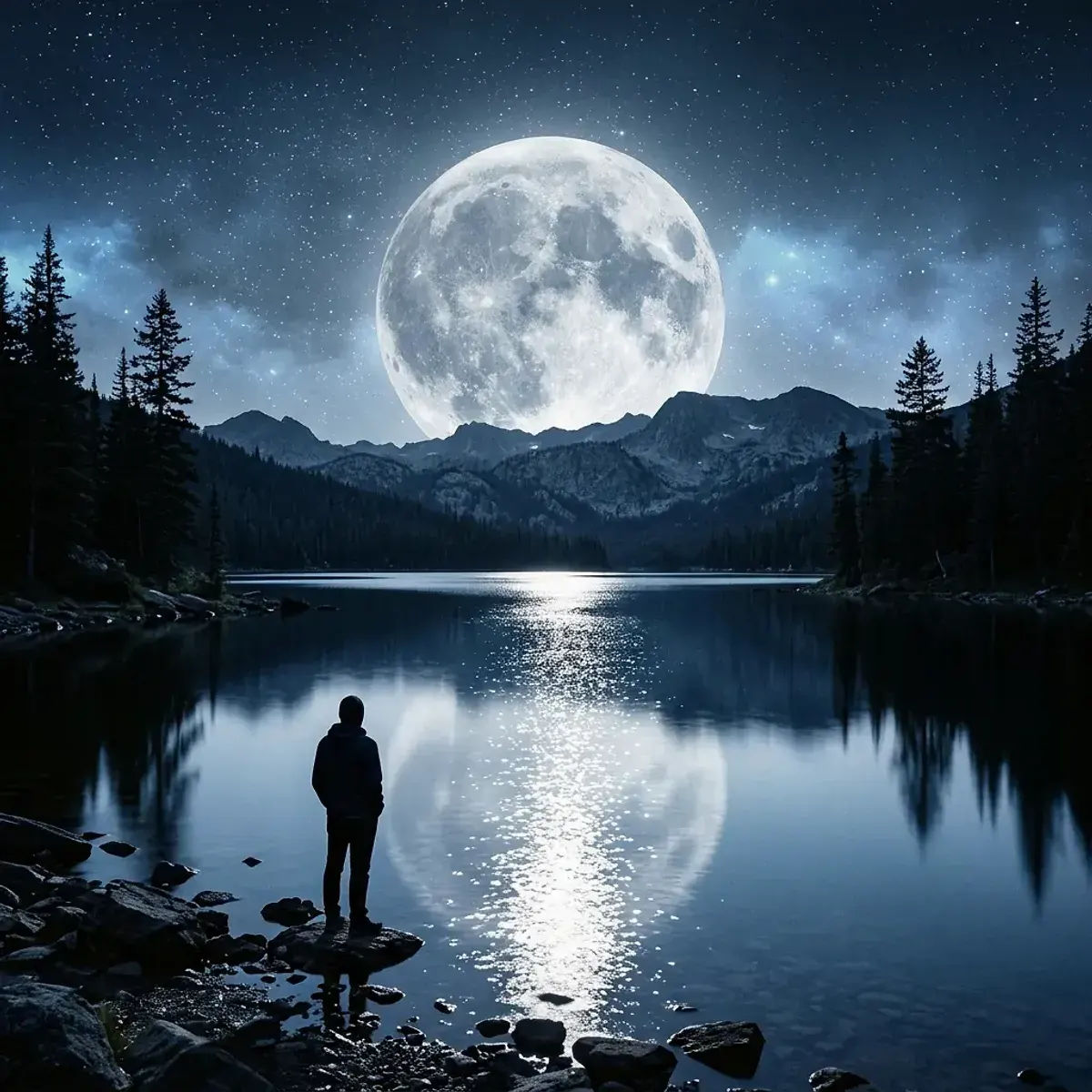
Bright, clear moons celebrate accessible intuition and clear connection to deeper wisdom. A full moon indicates culmination and illumination of what was hidden. A crescent moon suggests emergence and becoming. A moon reflected in water indicates emotional intuition and sensitivity. A moon guiding you in darkness represents inner guidance and trust in intuitive knowing. These dreams appear when your intuition is clear and trustworthy. They celebrate your connection to feminine wisdom, cycles, and the knowing that exists beyond rational thought. Such dreams affirm that your intuitive guidance is reliable and that trusting yourself is appropriate.
Negative Interpretations
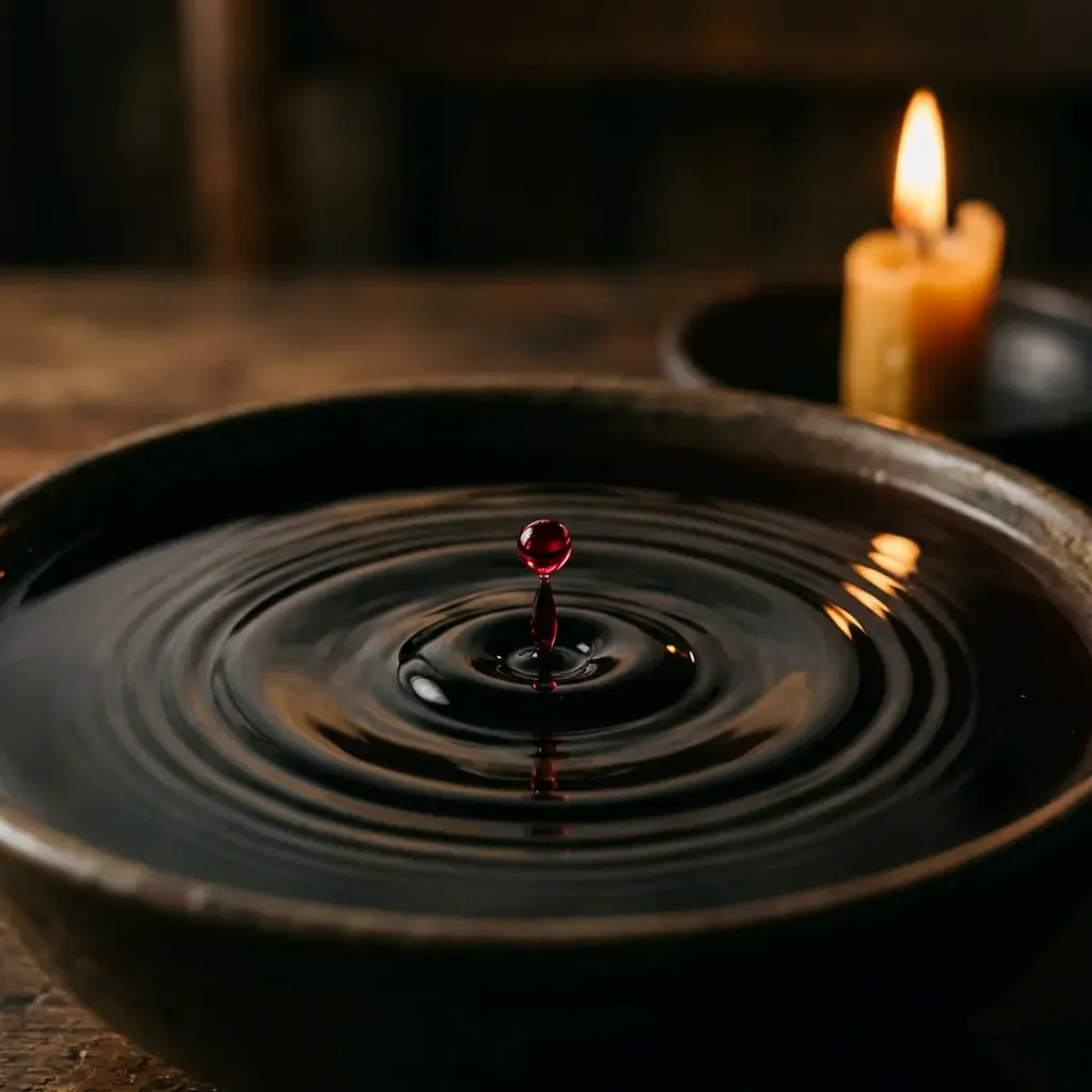
A dark, obscured, or absent moon warns of lost connection to intuition or that you’re suppressing inner knowing. A blood-red moon may indicate intense transformation or warning. An enormous moon overhead indicates being overwhelmed by the unconscious. These dreams invite reconnection with intuitive guidance and examination of what’s caused you to distrust your inner knowing. They may warn of following rational mind exclusively while ignoring intuitive wisdom that’s trying to guide you.
The Moon and Dream Psychology
From a Jungian perspective, the moon represents the anima—feminine wisdom, receptivity, and connection to the unconscious. Jung valued the moon as the primary symbol of the hidden, intuitive dimensions of the psyche. The moon’s cycles mirror psychological cycles of emergence and dissolution. Modern psychology recognizes the moon as representing intuitive intelligence and the wisdom that operates beyond rational thought.
Dream Variations and Contexts
The moon’s specific phase and appearance determine meaning. A full moon suggests culmination and fullness. A new moon indicates beginnings. A waxing moon suggests growth. A waning moon indicates completion. A blood-red moon suggests intense transformation. A bright moon indicates clear intuition. A hidden moon indicates blocked intuition. A moon in the daytime suggests light and dark coexisting. A moon touching the horizon indicates connection between worlds. Multiple moons suggest complexity in cycles.
What to Do After This Dream
Trust your intuition and deepen your connection to inner knowing. What is your deeper wisdom trying to communicate? What cycles are operating in your life? Are you honoring both action and receptiveness? If the moon was bright, celebrate your intuitive clarity and follow its guidance. If the moon was hidden or obscured, reconnect with your deeper wisdom through meditation, creativity, or quiet reflection. Remember that intuition is as valid as reason and that the most powerful decisions honor both. Use the moon dream as invitation to trust the wisdom that comes without logical explanation and to honor the rhythms and cycles that guide all life.