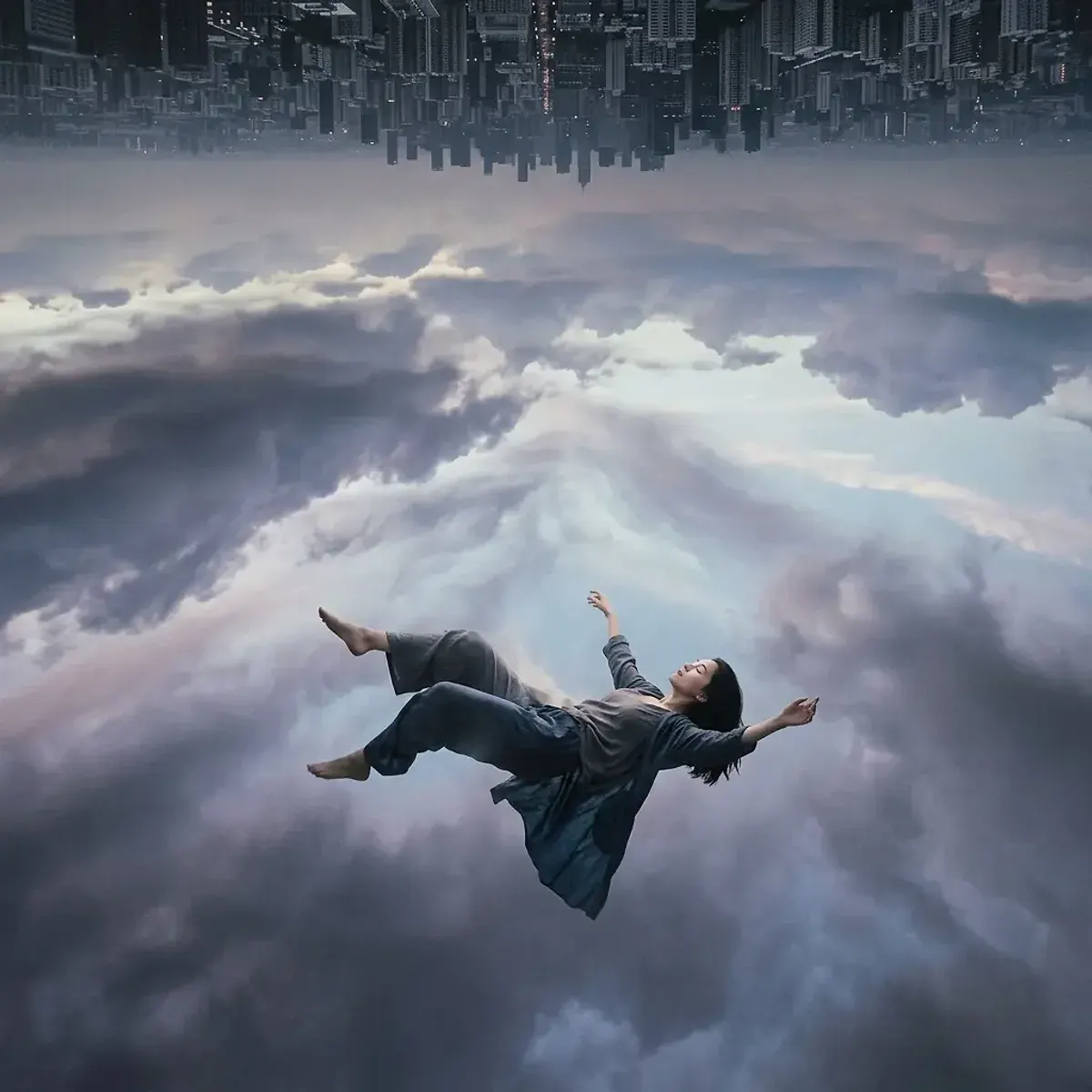
Dreaming of Falling: General Meaning
Falling is one of the most universal and jarring dream experiences, instantly triggering anxiety, vulnerability, and loss of control. When you plummet through dream space, your psyche is communicating about real anxieties in your waking life—situations, relationships, or circumstances where you feel your footing slipping. Falling dreams serve as psychological alarms, signaling that something requires immediate attention and stabilization. Unlike flying, which represents transcendence, falling represents the terrifying descent toward consequences you fear. Yet paradoxically, falling dreams often carry valuable messages about what needs addressing before actual damage occurs.
Positive Interpretations
While falling itself is unpleasant, landing safely represents resilience and survival. Dreams where you fall but land without injury suggest you have the capability to handle challenging circumstances—your fear is greater than the actual danger. Falling onto something soft indicates protection or safety nets around you. Some falling dreams can be reframed as “letting go,” where falling represents releasing the need to maintain perfect control and trusting in your ability to navigate uncertainty. These dreams sometimes precede important growth, suggesting you’re ready to release old ways of being even if the transition feels frightening.
Negative Interpretations
Uncontrolled falling with fear indicates genuine anxiety about losing control, failing, or losing status. These dreams intensify during periods of high stress, major life transitions, or when you’ve experienced actual losses or setbacks. Dreams of falling into darkness or the unknown represent fear of circumstances beyond your comprehension or control. Falling repeatedly without landing suggests you feel trapped in ongoing crisis. Falling while others watch indicates fear of public failure or shame. These dreams demand you address actual instability—whether that’s in finances, relationships, health, or self-confidence.
Falling and Dream Psychology
From a Jungian perspective, falling represents the ego losing control and encountering unconscious forces. Jung saw it as necessary confrontation with shadow aspects we’re trying to avoid. Freud associated falling with anxiety about losing power and surrender to overwhelming forces. Modern neuroscience shows falling dreams occur naturally during sleep transitions when the vestibular system misfires, creating the sensation of falling—but the dream’s emotional content still reflects waking anxiety. Falling dreams are one of humanity’s most common nightmares because they tap into primal fears about losing security and safety.
Dream Variations and Contexts
The specifics of your fall reveal the nature of your waking anxiety. Falling from a building suggests loss of professional status or security. Falling from a cliff indicates spiritual or existential crisis. Falling in slow motion reflects prolonged anxiety about inevitable consequences. Falling rapidly suggests sudden crisis or shock. Falling while trying to hold onto something indicates refusing to let go of control. Falling into water represents emotional overwhelm. Falling in an elevator suggests rapid change. Each context illuminates what specific area of your life feels destabilized.
What to Do After This Dream
Take practical action to address real instabilities in your waking life rather than remaining in fear. Identify what genuinely needs stabilizing—finances, relationships, health, career, or self-confidence. Break overwhelming situations into manageable steps. Create practical safety nets—emergency funds, support networks, skill development. Practice grounding techniques. Examine which fears are realistic and which are catastrophizing. Remember: the dream came to alert you before actual damage, giving you time to restore balance. Use the discomfort as motivation for positive change rather than remaining paralyzed by the fear itself.