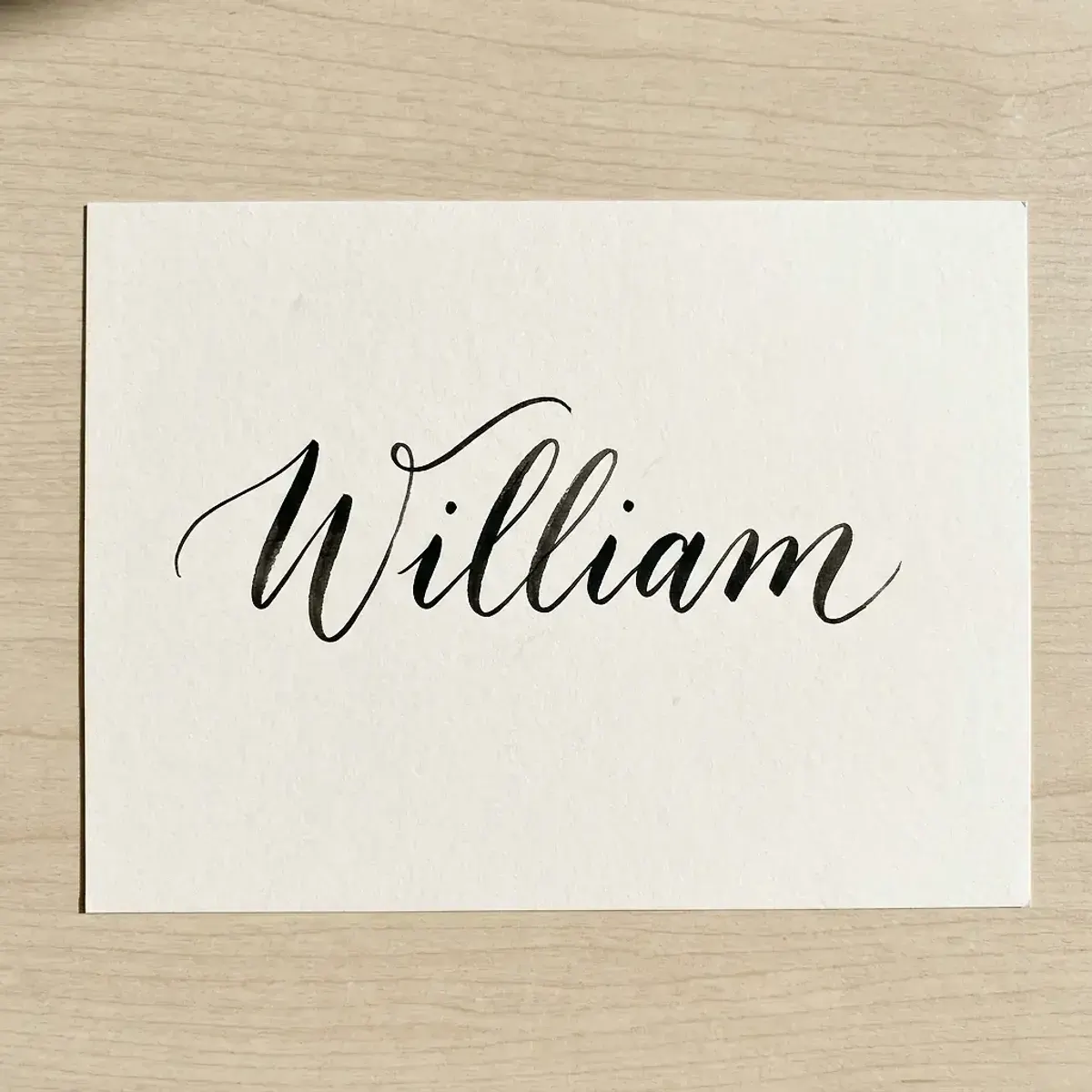
Meaning of the Name William
William carries powerful, protective meaning rooted in Germanic linguistic tradition. The name derives from Germanic elements ‘wil,’ meaning ‘will,’ ‘desire,’ and ‘determination,’ combined with ‘helm,’ meaning ‘helmet’ and ‘protection.’ This etymological foundation creates a name suggesting ‘resolute protector,’ someone who channels strong will toward meaningful protection of others. William represents not merely physical strength but determined commitment to guard those in one’s care. The name implies leadership, resolve, and the willingness to face challenges to fulfill one’s protective purpose.
Origin and History
William originated in Germanic tradition, gaining extraordinary prominence through William the Conqueror, who defeated King Harold at the Battle of Hastings in 1066. His transformative conquest of England elevated the name to royal prestige and cultural dominance. Multiple English and Scottish monarchs named William further cemented the name’s prominence. Each William king contributed to the name’s association with power and leadership. The name became one of the most established, beloved names in English-speaking tradition, carried by nobility, common people, and cultural figures alike.
Personality and Character
Individuals named William typically exhibit determined, protective, and naturally commanding personalities. They possess strong will and pronounced natural leadership ability. Williams tend to be powerful individuals who pursue goals with unwavering determination and resolve. They demonstrate courage, loyalty, and deep commitment to protecting those they care about. Williams often serve as leaders, defenders, and anchors within their circles. They are confident individuals comfortable with responsibility and authority. On the shadow side, Williams may struggle with stubbornness or difficulty accepting others’ autonomy. Their protective instinct might manifest as dominance or control.
William in Culture and History
The name William has been carried by men throughout history who exemplified power, creativity, and influence. William the Conqueror transformed English history through military conquest. William Shakespeare revolutionized English literature, creating enduring works of artistic genius. Prince William represents contemporary royal prominence and the public’s fascination with monarchy. These figures demonstrate the name’s association with power, creativity, leadership, and cultural significance.
Popularity of the Name William
William has maintained consistent popularity in English-speaking countries throughout modern history. The name appeared regularly in the top 10 most popular boys’ names throughout the twentieth century and continues this position. Currently, William ranks within the top 5-10 most popular names for newborn boys across English-speaking countries. International data shows similarly consistent strong rankings. The name’s appeal combines Germanic heritage, royal prestige, cultural visibility, and associations with power and leadership.