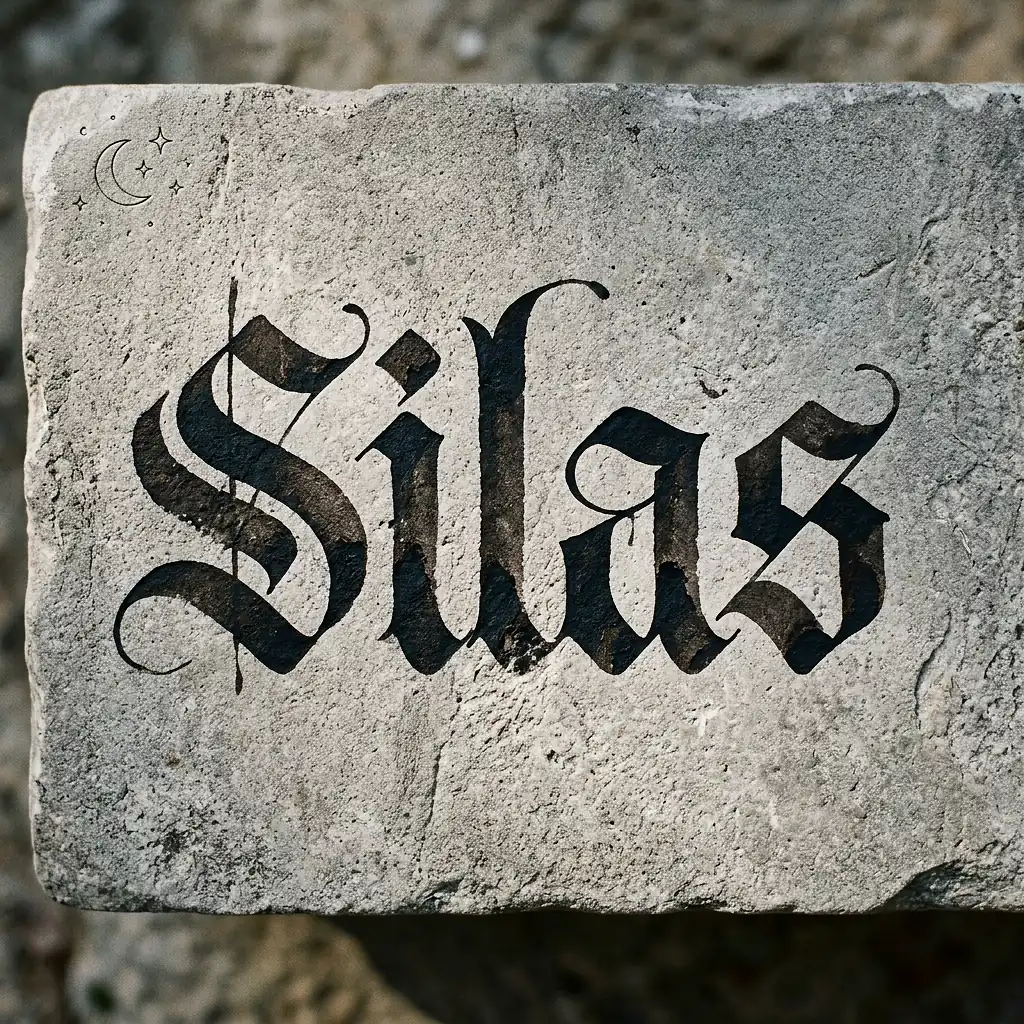
Meaning of the Name Silas
The name Silas carries a meaning deeply rooted in the natural world. Its primary etymology connects to the Latin word ‘silva,’ meaning ‘forest’ or ‘wood,’ through its likely parent name Silvanus. The Roman god Silvanus presided over forests, fields, and the untamed wilderness, serving as a guardian of the boundary between cultivated land and wild nature. This connection gives Silas connotations of natural strength, wisdom, and an intimate bond with the earth. An alternative interpretation links Silas to an Aramaic form of Saul, meaning ‘asked for’ or ‘prayed for,’ which would give the name a spiritual dimension of being wanted and cherished. Whether one favors the forest or the prayer interpretation, Silas emerges as a name of substance and depth, suggesting a person who is both grounded and spiritually aware. Its two syllables carry a quiet authority that speaks without needing to raise its voice.
Origin and History
Silas first appears in recorded history in the New Testament, where he is a prominent companion of the Apostle Paul during his missionary journeys through Asia Minor and Greece. The biblical Silas (also called Silvanus in the Epistles) was a leader of the early Christian community in Jerusalem and played a significant role in spreading the faith. Scholars generally believe Silas was a shortened form of Silvanus, connecting the biblical figure to the Roman deity of forests. The name was adopted by English-speaking Christians during the Reformation, when Protestant families sought biblical names as alternatives to Catholic saint names. Silas became particularly popular in colonial and early America, where its plain, strong sound appealed to Puritan sensibilities. The name experienced a long decline through the 20th century, reaching its lowest point in the 1970s and 1980s. Its modern revival began in the 2000s, fueled by the vintage name trend, literary associations, and celebrity adoption. George Eliot’s novel ‘Silas Marner’ (1861) had kept the name alive in literary consciousness throughout its period of lesser popularity.
Personality and Character
Individuals named Silas typically exhibit a steady, thoughtful character that reflects the name’s association with forests and deep roots. They tend to be introspective people who think carefully before speaking or acting, giving their words and decisions a weight that others respect. This contemplative nature does not make them withdrawn; rather, Silases are usually warm and engaging once comfortable, possessing a dry wit and quiet humor that endears them to those who take the time to know them. Their connection to the natural world is often literal: many Silases feel drawn to outdoor activities, conservation, or simply spending time in natural settings. They tend to value authenticity and integrity above social performance, preferring genuine relationships over superficial connections. In professional settings, Silases are typically reliable and thorough, earning trust through consistent quality rather than self-promotion. Their patience allows them to take on long-term projects that others might abandon, and their persistence usually yields impressive results. Like those named Elijah, Silases often carry a sense of quiet purpose that guides their choices.
Popularity
Silas has staged one of the more impressive comebacks in modern naming history. In the United States, the name was popular during the 19th century, then declined steadily through most of the 20th century, dropping out of the top 500 by the 1970s. The revival began around 2004, and the climb has been rapid and sustained. Silas entered the top 200 by 2012, the top 100 by 2017, and currently ranks within the top 75 most popular boys’ names. Celebrity influence played a role: Justin Timberlake and Jessica Biel naming their son Silas in 2015 brought significant attention to the name. In Scandinavia, Silas has been even more popular, ranking consistently in the top 20 in Denmark and Norway. Germany has also embraced the name. The United Kingdom shows growing but more moderate adoption. Silas benefits from several contemporary naming trends: the revival of biblical names, the preference for names with natural associations, and the appeal of two-syllable names that feel both historic and fresh. Its similarity to other popular names (Elias, Milo) creates a comfortable familiarity without direct competition.
Famous Bearers
The most enduring cultural bearer of the name is the fictional Silas Marner, title character of George Eliot’s 1861 novel. The story of a reclusive weaver whose life is transformed by his love for an orphaned child remains a powerful narrative of redemption, community, and the healing power of human connection. In the Bible, Silas (Silvanus) was a valued companion of Paul, described as a prophet and leader whose faith strengthened the early churches. The real-world prominence of the name has grown through celebrity association: Silas Randall Timberlake, born to Justin Timberlake and Jessica Biel in 2015, brought the name firmly into contemporary consciousness. In television, characters named Silas have appeared in ‘The Vampire Diaries,’ ‘Weeds,’ and other popular series, typically portrayed as complex, layered individuals. Silas Wright served as Governor of New York and U.S. Senator in the 19th century. In literature beyond Eliot, Silas appears in Dan Brown’s ‘The Da Vinci Code’ as a memorable, if controversial, character. The name’s literary and biblical heritage gives it a depth of cultural resonance that supports its continued rise.