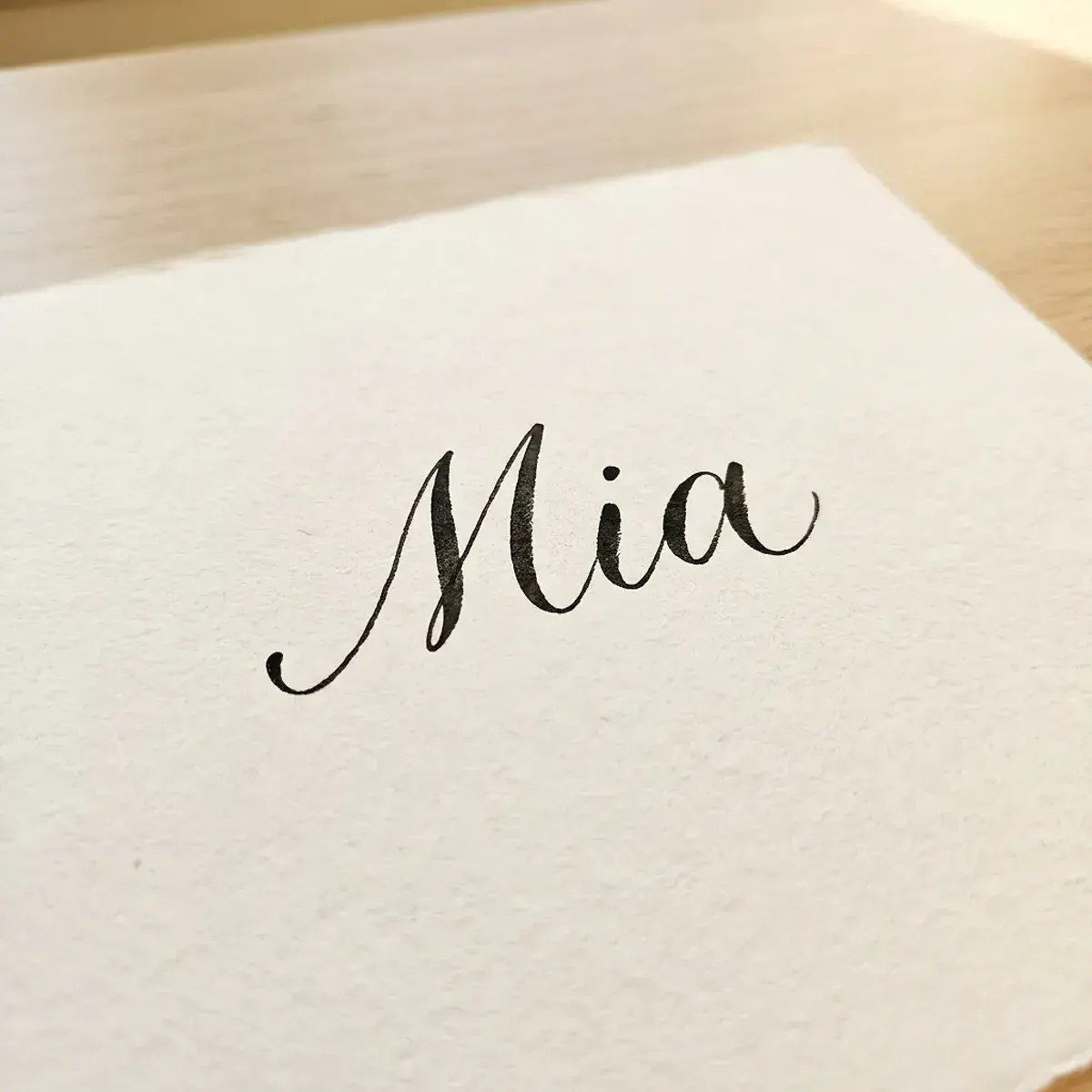
Meaning of the Name Mia
Mia carries multiple layers of meaning from diverse linguistic traditions. In Scandinavian languages, Mia functions as an independent name rather than diminutive form, derived from Maria and suggesting ‘of the sea’ or ‘beloved.’ In Italian and Spanish linguistic contexts, ‘mia’ translates as ‘mine,’ implying ownership, self-assertion, and claiming one’s own identity. These combined meanings create a name suggesting independence, self-determination, and authentic identity. Mia represents a person who knows themselves and asserts their place in the world with confidence. The name carries neither diminution nor diminishment—instead, it suggests wholeness and self-claiming, making Mia a name for those who define themselves authentically.
Origin and History
Mia originated in Scandinavian countries, where it emerged as a fully independent name rather than a diminutive form of Maria. The name maintained relatively low profile until the twentieth century when actress Mia Farrow achieved prominence through her Hollywood career and high-profile personal life. Farrow’s visibility elevated Mia to cultural consciousness, particularly among educated and cosmopolitan families. From the 1990s onward, the name experienced significant growth in popularity across English-speaking countries. The combination of Scandinavian roots, contemporary sound, and Hollywood glamour made Mia increasingly attractive to modern parents. The name’s brevity and elegant simplicity contributed to its appeal in an era favoring short, distinctive names.
Personality and Character
Individuals named Mia typically exhibit strong independence and clear sense of personal identity. They are self-assured individuals who trust their own judgment and intuition, not easily swayed by external pressure or conventional expectations. Mias tend to be creative, intuitive people with refined aesthetic sensibilities. They possess authentic personality and value genuine connections with others. Mias demonstrate quiet confidence rather than overt assertiveness, leading through example rather than dominance. They are comfortable with solitude and introspection, finding strength in self-reflection. On the shadow side, Mias may struggle with isolation or difficulty accepting input from others. Their strong independence might manifest as rigidity or resistance to collaboration when circumstances require flexibility and teamwork.
Mia in Culture and History
The name Mia has been carried by women who exemplified independence and distinctive achievement. Actress Mia Farrow became known not only for her film work but for her personal agency and choices, which attracted significant public attention. Athlete Mia Hamm revolutionized women’s soccer, becoming one of sport’s greatest players and advocating for gender equality in athletics. Her achievements demonstrated that Mia could represent exceptional athletic achievement and social impact. Contemporary actresses bearing the name continue to showcase diverse talent and capability. These figures collectively demonstrate Mia’s association with independence, authenticity, and women who define their own paths.
Popularity of the Name Mia
Mia has experienced dramatic growth in popularity since the 1990s, transforming from a relatively uncommon name to become one of the most favored choices. The name entered the top 100 most popular girls’ names in the United States and rose rapidly through the 2000s. By the 2010s, Mia had achieved top 10 status consistently. Currently, Mia maintains its position within the top 10 most popular names for newborn girls across English-speaking countries. International data shows Mia achieving similar high rankings globally. The name’s appeal combines contemporary sound, cultural visibility, and connotations of independence and authenticity.