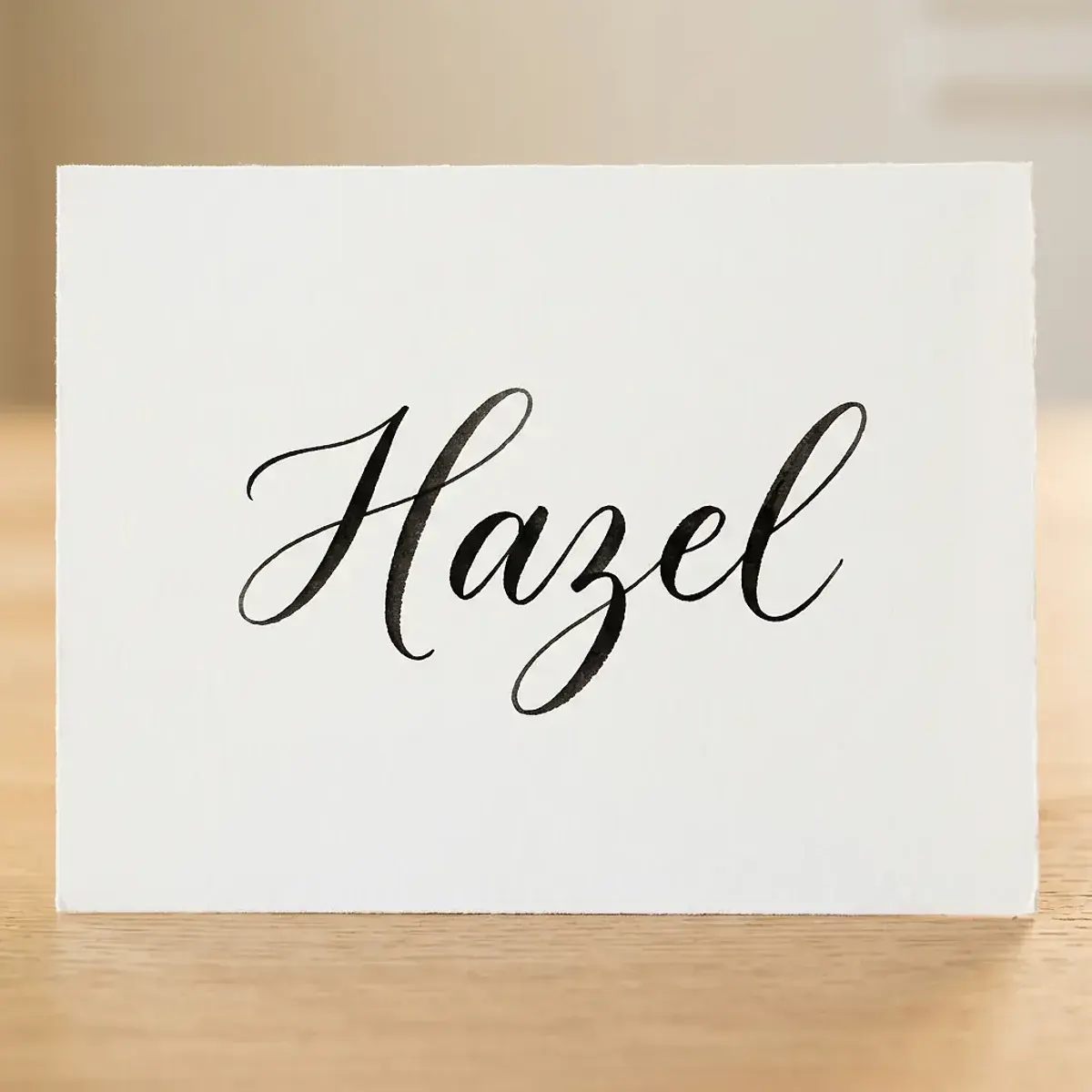
Meaning of the Name Hazel
Hazel carries grounded, wise meaning rooted in nature and Old English tradition. The name derives from the Old English ‘haesel,’ referring to the hazel tree and its distinctive nuts. In Celtic and broader European traditions, the hazel tree symbolized wisdom, knowledge, protection, and inner power. Ancient Celtic mythology associated the hazel with sacred wisdom and divine knowledge. Hazel suggests someone wise, grounded, and genuinely connected to nature’s cycles and wisdom. The name carries connotations of stability, protection, and the nurturing, sustaining qualities associated with trees. Hazel represents someone combining practical wisdom with intuitive understanding.
Origin and History
Hazel originated as a tree name from Old English tradition, where hazel trees held considerable spiritual and practical significance. The name appeared as a personal name during the late nineteenth and early twentieth centuries as nature-based naming became fashionable. Hazel experienced peak popularity in the early twentieth century, appearing regularly among the top 100 most popular girls’ names. The name declined substantially in the mid-twentieth century. From the 1990s onward, Hazel experienced dramatic revival as contemporary parents rediscovered nature-based and vintage names. The name’s contemporary resurgence reflects strong contemporary appreciation for botanical names and connection to natural wisdom.
Personality and Character
Individuals named Hazel typically exhibit wisdom, groundedness, and genuine connection to nature. They possess natural intelligence and intuitive understanding of situations and people. Hazels tend to be thoughtful, stable individuals with good judgment and practical wisdom. They demonstrate loyalty, reliability, and the ability to provide steady, consistent support. Hazels often serve as anchoring, stabilizing presences within their families and communities. They are comfortable with authenticity and genuineness. On the shadow side, Hazels may struggle with dynamism or difficulty adapting to rapid change. Their groundedness might manifest as rigidity or resistance to innovation.
Hazel in Culture and History
The name Hazel has been carried by women throughout history who exemplified wisdom, stability, and connection to the natural world. In literature, the character Hazel Grace Lancaster from ‘The Fault in Our Stars’ became beloved for her intelligence, emotional depth, and authentic voice. Hazel has appeared in various literary and cultural works representing wisdom, grounding, and natural beauty. Contemporary actresses and artists named Hazel have brought visibility to the name through their achievements. In Celtic mythology and spiritual tradition, hazel represents sacred wisdom and divine knowledge. These cultural references demonstrate the name’s association with wisdom, grounding, and authentic presence.
Popularity of the Name Hazel
Hazel experienced significant popularity in the early twentieth century, appearing regularly among the top 100 most popular girls’ names. The name experienced substantial decline in the mid-twentieth century but has experienced dramatic revival since the 1990s. Hazel entered the top 100 most popular girls’ names in the early 2000s and rose rapidly. Currently, Hazel ranks within the top 10-15 most popular names for newborn girls across English-speaking countries. International data shows similar strong growth and high rankings. The name’s appeal combines nature-based significance, botanical beauty, and contemporary appreciation for vintage names with wisdom and grounding.