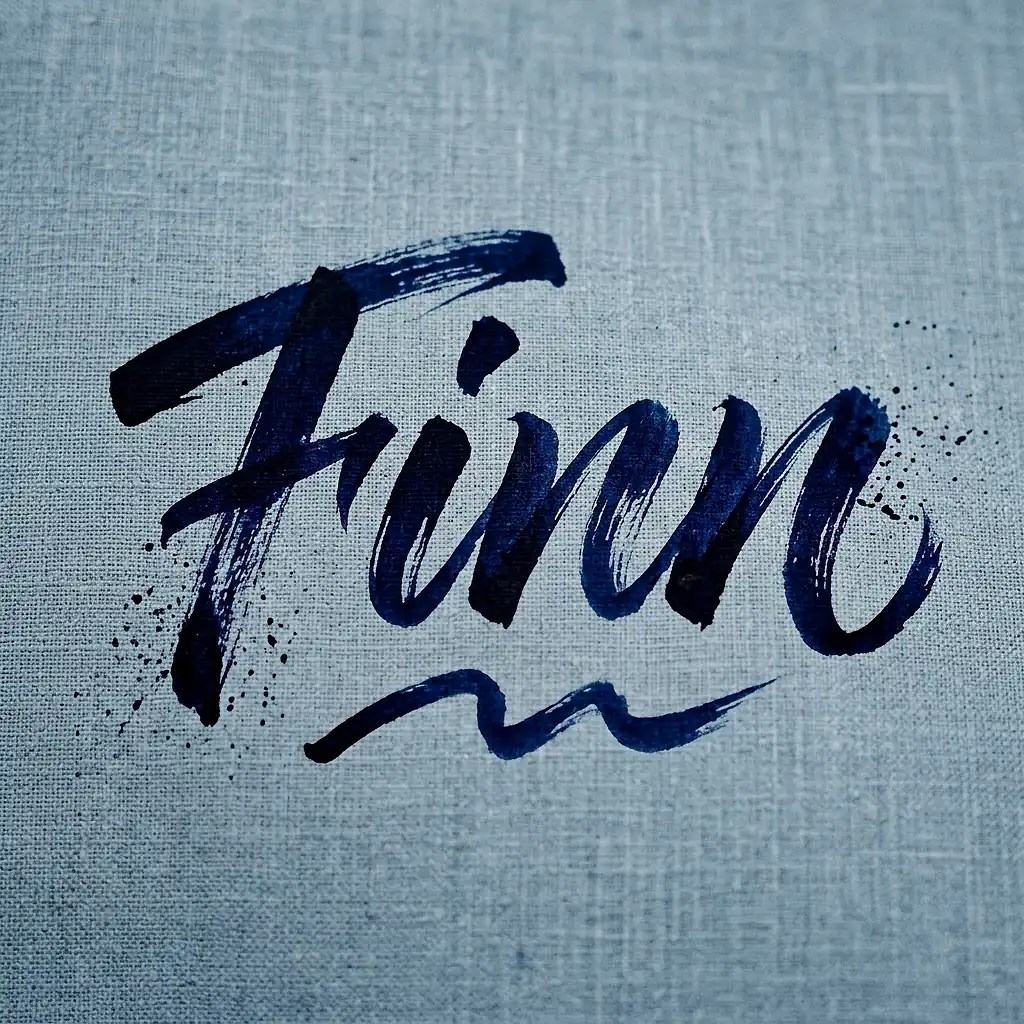
Meaning of the Name Finn
The name Finn carries a meaning rooted in the Celtic understanding of beauty and virtue. It derives from the Old Irish word ‘finn’ (modern Irish ‘fionn’), meaning ‘fair,’ ‘white,’ or ‘bright.’ In Celtic culture, fairness of complexion was closely associated with fairness of character, making this name a statement about both appearance and moral quality. The brightness implied by the name extends beyond physical attributes to suggest clarity of mind, purity of intention, and an illuminating presence. In a single syllable, Finn encapsulates the Celtic ideal of a hero: someone who is both physically striking and morally admirable. The name’s brevity is part of its power. Like an arrow, it is swift, sharp, and direct, leaving a strong impression despite its minimal form. This economy of expression has made Finn one of the most appealing short names in the English-speaking world.
Origin and History
Finn’s deepest roots lie in Irish mythology, where Fionn mac Cumhaill (anglicized as Finn McCool) stands as one of the greatest heroes of Celtic legend. Fionn was the leader of the Fianna, an elite band of Irish warriors, and his adventures form a vast cycle of stories known as the Fenian Cycle. According to legend, young Fionn gained supernatural wisdom by tasting the Salmon of Knowledge, and he went on to become both a mighty warrior and a poet of great sensitivity. This dual nature, strength combined with wisdom, has defined the name’s character for millennia. The name also appears in Norse and Scandinavian contexts, where Finn was used as an independent name, sometimes referring to people from Finland or to the Sami people. In American literature, Mark Twain created one of fiction’s most enduring characters in Huckleberry Finn (1884), whose adventures down the Mississippi River became a cornerstone of American storytelling. More recently, the character Finn in the Star Wars sequel trilogy introduced the name to yet another generation. These layers of mythology, literature, and popular culture have created a name of remarkable richness.
Personality and Character
Individuals named Finn often embody the adventurous, spirited qualities that their mythological namesake represented. They tend to be energetic, curious, and eager to explore, whether physically or intellectually. Finns are frequently described as charismatic, possessing a natural warmth and humor that makes them popular in social settings. Their courage is typically evident from an early age: they are the ones who volunteer first, try new things without excessive hesitation, and stand up for others when needed. Beneath this spirited exterior, many Finns possess a contemplative side that may surprise those who know them only casually. Like the mythological Fionn who gained wisdom alongside strength, modern Finns often develop a thoughtful, reflective dimension as they mature. They tend to be loyal friends and passionate advocates for causes they believe in. Their quick wit and verbal agility make them engaging communicators. On occasion, their energy and impulsiveness can lead them into situations that require creative problem-solving, but this same spontaneity is what makes life around a Finn entertaining and unpredictable, much like those named Liam.
Popularity
Finn’s popularity has surged across the English-speaking world and beyond. In the United States, the name was relatively uncommon before the 2000s, when it began a steady climb. It entered the top 200 around 2010 and has continued rising, currently ranking within the top 150. The related name Finnegan (from which Finn can serve as a nickname) has also gained ground, adding to the name’s overall presence. In Ireland, Fionn and Finn have always maintained cultural significance, and the name consistently ranks among the most popular choices. The Netherlands and Germany have shown exceptional enthusiasm for Finn, where it has reached the top 10 in both countries. The name also performs well in the United Kingdom, Australia, and Scandinavian countries. Finn’s appeal rests on a powerful combination: it is authentically Celtic, easily pronounced across languages, short and memorable, and backed by centuries of mythological and literary prestige. The trend toward shorter, one-syllable names for boys has also supported its rise.
Famous Bearers
The greatest bearer of the name Finn is the mythological Fionn mac Cumhaill, whose legend has been told and retold for over a thousand years. His stories of wisdom, courage, and adventure define the heroic ideal in Irish culture and continue to inspire literature, music, and art throughout the Celtic world. In American literature, Huckleberry Finn, created by Mark Twain in 1884, became one of fiction’s most beloved characters, an embodiment of freedom, moral courage, and the spirit of the American frontier. In contemporary culture, Finn (FN-2187) from the Star Wars sequel trilogy, played by John Boyega, brought the name to a massive global audience and associated it with bravery and moral awakening. Finn Wolfhard, the Canadian actor, became a household name through his role in ‘Stranger Things’ and has since built a successful career in film and music. Adventure Time’s character Finn the Human introduced the name to younger audiences through animated television. In music, Finn Andrews and Neil Finn (of Crowded House fame) have carried the name in rock and alternative music. This diverse collection of bearers, spanning mythology, literature, cinema, and music, ensures that Finn remains associated with adventure, courage, and creative spirit.