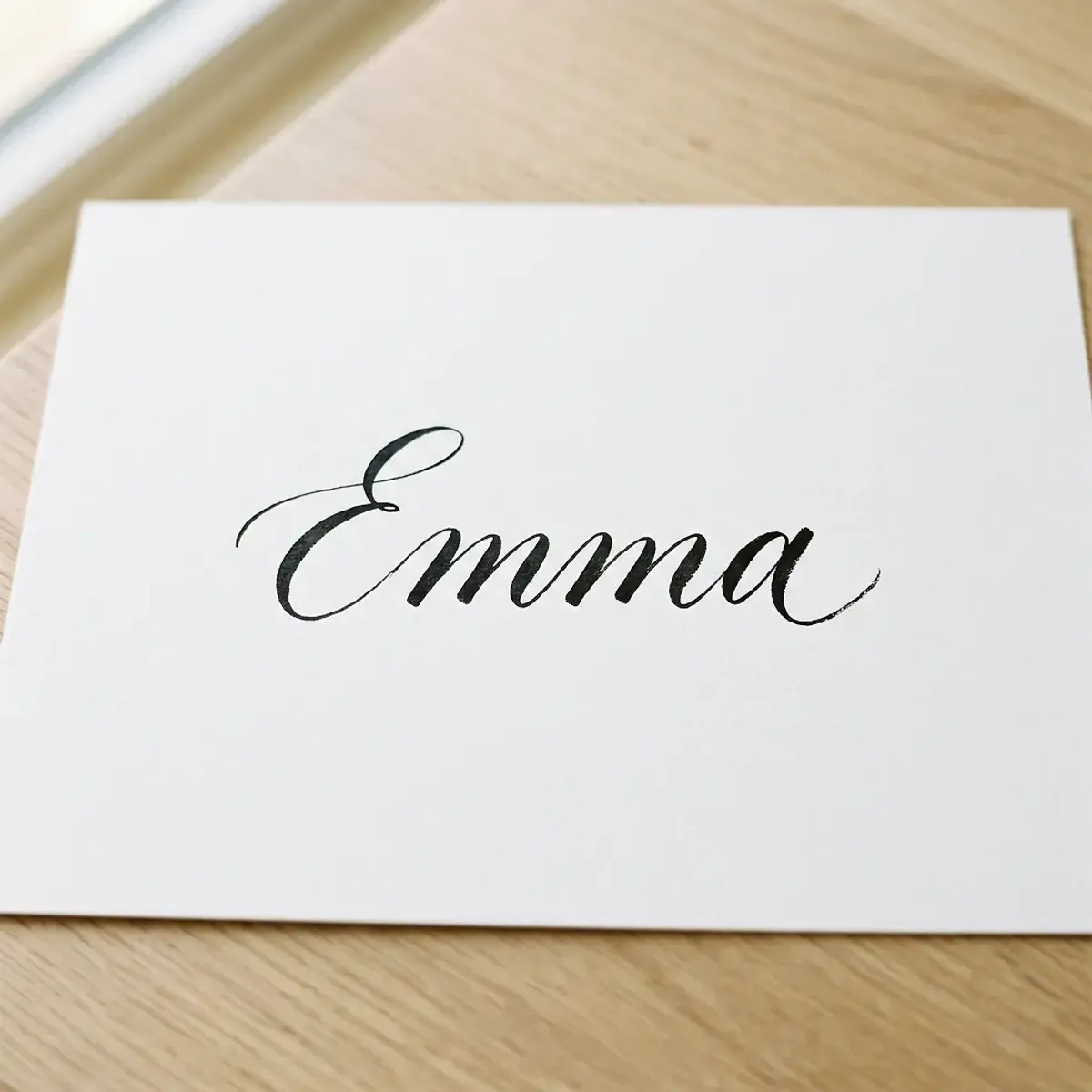
Meaning of the Name Emma
The name Emma carries profound significance rooted in the Germanic language and culture. Emma derives from the Old German elements ‘ermen’ or ‘irmin,’ both meaning ‘whole,’ ‘complete,’ or ‘universal.’ This etymological foundation suggests a person of wholeness and integrity, someone who embodies completeness in character and spirit. The name was historically used to denote individuals believed to possess a balanced nature and comprehensive understanding of the world around them. In medieval contexts, Emma represented not merely a name but an aspiration for a fully realized, virtuous person. The simplicity of the name belies its depth—just two syllables carry centuries of meaning and cultural resonance.
Origin and History
Emma emerged from Germanic tribal cultures during the early medieval period. The name gained considerable prominence through royal lineages and nobility across Germanic and Scandinavian regions. Queen Emma of Normandy, an influential figure in 10th-century Europe, helped cement the name’s status among the aristocracy. As Norman influence spread through England following 1066, Emma became established in the English-speaking world. During the Middle Ages and Renaissance, the name appeared regularly in royal courts and noble families. The Victorian era witnessed a dramatic revival of Emma’s popularity, particularly following the publication of Jane Austen’s novel ‘Emma’ in 1815. This literary connection transformed the name from a traditional royal choice to a beloved name among the general population.
Personality and Character
Individuals bearing the name Emma typically exhibit a distinctive blend of intellectual capability and emotional intelligence. They are frequently recognized as natural leaders who inspire confidence in others through their clarity of vision and genuine concern for collective wellbeing. Emmas tend to be organized, methodical thinkers who excel at strategic planning and problem-solving. Their creativity often manifests not in abstract artistic pursuits but in practical innovation and finding elegant solutions to complex challenges. On the shadow side, Emmas may sometimes struggle with perfectionism or the burden of their own high standards. They occasionally experience difficulty delegating, preferring to maintain control over important outcomes. Despite these tendencies, most Emmas possess sufficient self-awareness to recognize and address these patterns.
Emma in Culture and History
Throughout history, the name Emma has been borne by numerous influential women who shaped their societies. Queen Emma of Normandy wielded significant political power during a transformative period in medieval European history. Jane Austen’s fictional Emma Woodhouse became one of literature’s most complex female characters, intelligent and flawed in equal measure. In modern times, Emma Watson transformed her childhood fame as Hermione Granger into a platform for feminist advocacy and humanitarian work. Scientist Emma Noether revolutionized mathematics and theoretical physics through her groundbreaking contributions. These figures demonstrate the name’s association with intelligence, influence, and the capacity to inspire social change and cultural progress.
Popularity of the Name Emma
Emma’s popularity has experienced remarkable sustained growth over the past several decades. The name entered the top 100 most popular girls’ names in the United States in the 1990s and rose steadily thereafter. From 2002 through 2016, Emma held the number one position in most years, becoming the most popular name for newborn girls in America. Currently, it maintains a position within the top 5 across English-speaking countries including the United Kingdom, Canada, and Australia. International data shows Emma’s appeal transcends linguistic and cultural boundaries. The name’s timeless quality, combined with its cultural visibility through literature and entertainment, ensures its continued favor among parents seeking traditional yet contemporary names.