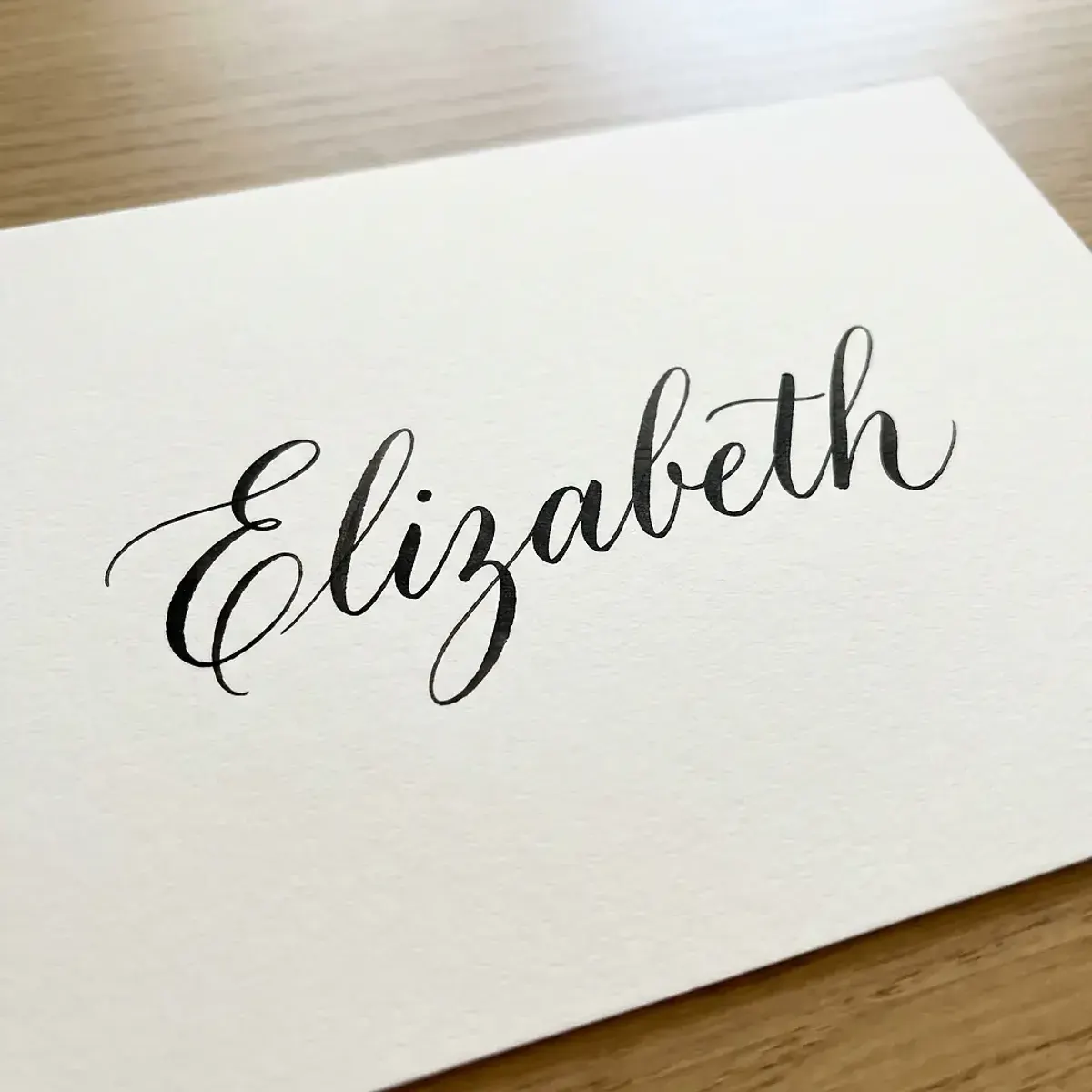
Meaning of the Name Elizabeth
Elizabeth carries profound spiritual and relational meaning rooted in Hebrew biblical tradition. The name derives from the Hebrew ‘Elisheba,’ meaning ‘God is my oath’ or ‘devoted to God,’ sometimes translated as ‘God’s promise.’ This etymology carries deep spiritual significance, suggesting someone bound by sacred commitment and loyalty. The name implies dedication, reliability, and the fulfillment of solemn promises. Elizabeth represents not merely personal devotion but public responsibility—someone who embodies honor, integrity, and commitment to meaningful principles. The name suggests someone of considerable substance and depth.
Origin and History
Elizabeth originated in Hebrew biblical tradition, gaining prominence through the Old Testament figure of Elizabeth, mother of John the Baptist. She exemplified faith, righteousness, and dedication to divine purpose. The name became established throughout Christian tradition and appeared regularly among European nobility and gentry. Elizabeth achieved unprecedented prominence through Queen Elizabeth I of England, who ruled for 45 years (1558-1603) and transformed England into a major European power. Her remarkable reign elevated Elizabeth to legendary status. Nearly four centuries later, Queen Elizabeth II reigned for 70 years, maintaining the name’s royal prestige and cultural prominence. From these royal associations, Elizabeth remains strongly established as a name of dignity, power, and honor.
Personality and Character
Individuals named Elizabeth typically exhibit intelligence, dignity, and pronounced sense of responsibility. They possess natural authority and command respect through their integrity, competence, and reliability. Elizabeths tend to be thoughtful, measured individuals who approach life with seriousness and dedication. They demonstrate considerable loyalty, consistency, and commitment to meaningful relationships and responsibilities. Elizabeths are often reliable, dependable individuals others trust with important matters. They combine intellectual capability with emotional understanding. On the shadow side, Elizabeths may struggle with rigidity or difficulty relaxing formal reserve. They might prioritize duty to the extent of suppressing spontaneity or personal desires.
Elizabeth in Culture and History
The name Elizabeth has been borne by women throughout history who exemplified intelligence, leadership, and remarkable achievement. Queen Elizabeth I became one of history’s most powerful monarchs, her 45-year reign transforming England and establishing her as the “Virgin Queen.” Queen Elizabeth II reigned for 70 years, becoming the longest-reigning British monarch and adapting the monarchy to modern times. Actress Elizabeth Taylor became a Hollywood icon, achieving legendary status through her beauty, talent, and dramatic personal life. Activist Elizabeth Cady Stanton pioneered women’s rights advocacy, making fundamental contributions to social justice. These figures demonstrate Elizabeth’s association with power, achievement, and women who shape history.
Popularity of the Name Elizabeth
Elizabeth has maintained consistent popularity in English-speaking countries throughout modern history. The name appeared regularly in the top 100 most popular girls’ names throughout the twentieth century. In recent decades, Elizabeth has entered and maintained positions in the top 10-15 most popular names. Currently, Elizabeth ranks consistently within the top 10-15 most popular names for newborn girls across English-speaking countries. International data shows similar strong rankings globally. The name’s appeal combines biblical heritage, royal prestige through two famous monarchs, and associations with intelligence and achievement.