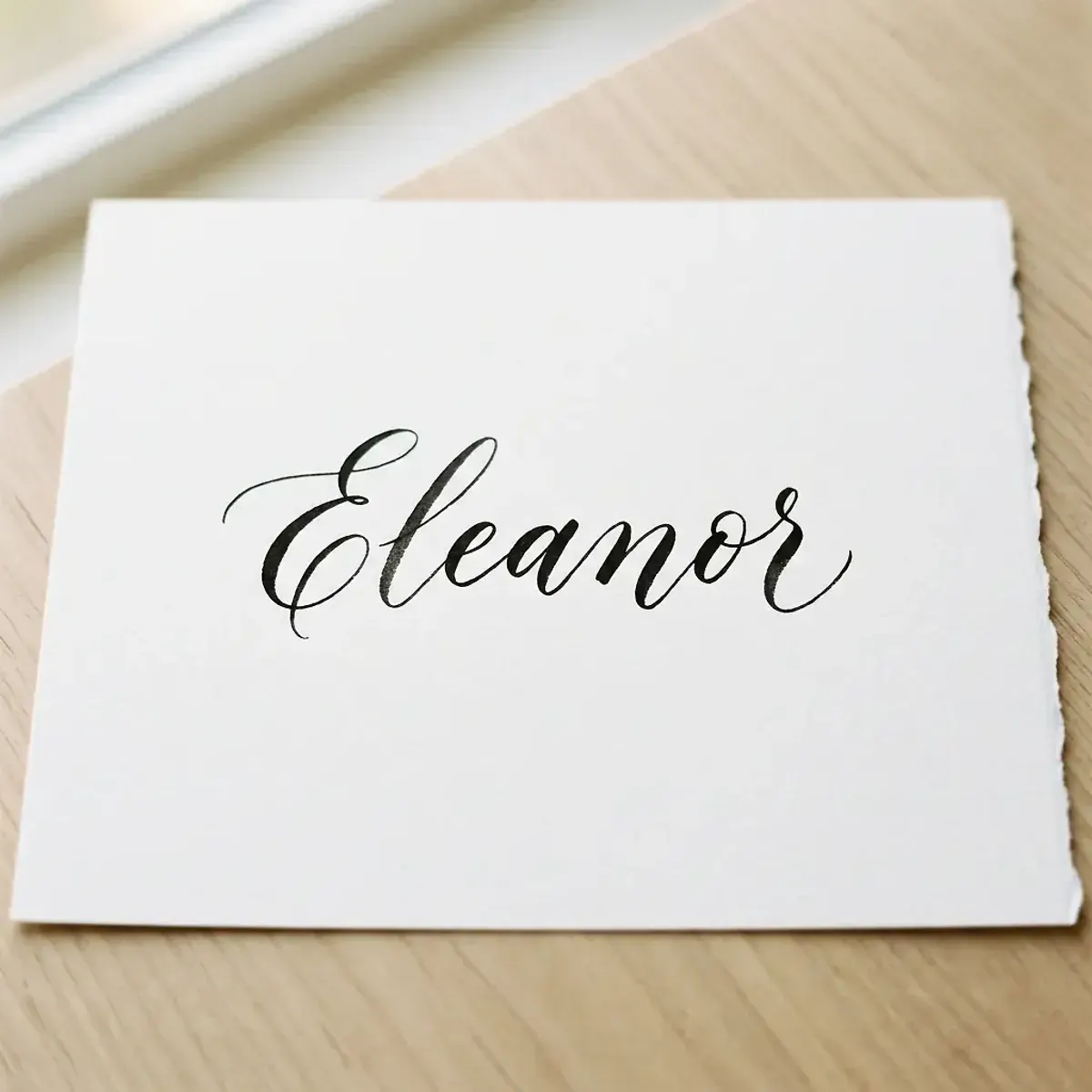
Meaning of the Name Eleanor
Eleanor carries bright, compassionate meaning rooted in Old French and Greek linguistic traditions. The name derives from sources meaning ‘bright light,’ ‘shining light,’ or ‘sun light,’ combined with connotations of honor and strength. Eleanor represents someone who brings illumination while maintaining dignity and integrity. The name implies both outward brightness—the ability to inspire and lead—and inward depth—genuine compassion and understanding. Eleanor suggests someone capable of bringing light to darkness while honoring the dignity of those around them. The name represents intellectual brilliance combined with emotional wisdom.
Origin and History
Eleanor originated in Old French tradition, gaining extraordinary prominence through Eleanor of Aquitaine, one of medieval Europe’s most powerful and influential women. She served as Queen of France and Queen of England, wielding considerable political power and influence. Eleanor of Aquitaine was a patron of the arts and a political strategist of remarkable capability. From these noble origins, Eleanor became fashionable throughout European nobility and remained an established name. In the twentieth century, Eleanor Roosevelt elevated the name through her work as First Lady and human rights advocate. Her dedication to social justice and humanitarian causes brought visibility and prestige to the name.
Personality and Character
Individuals named Eleanor typically exhibit intelligence, compassion, and natural leadership presence. They possess considerable dignity and grace, commanding respect through their character and capability. Eleanors tend to be thoughtful individuals genuinely interested in others’ wellbeing. They demonstrate intelligence combined with emotional understanding, excelling at both intellectual and interpersonal pursuits. Eleanors often serve as mentors, advocates, and leaders, using their influence and power to support meaningful causes. They are dignified individuals comfortable with responsibility and authority. On the shadow side, Eleanors may struggle with pride or difficulty accepting limitation. Their intelligence and capability might manifest as expectations of perfection in themselves and others.
Eleanor in Culture and History
The name Eleanor has been borne by women throughout history who exemplified power, intelligence, and meaningful contribution. Eleanor of Aquitaine stands as one of medieval history’s most significant women, wielding political power and patronizing the arts. Her legacy extends through centuries and continues to influence historical understanding. Eleanor Roosevelt became a twentieth-century icon, using her position to advance human rights and social justice. Her courage in addressing controversial issues transformed expectations of the First Lady role. These historical figures demonstrate Eleanor’s association with power, intelligence, and women who shape their worlds through dedication and conviction.
Popularity of the Name Eleanor
Eleanor experienced significant popularity throughout much of the twentieth century, appearing regularly in the top 100 most popular girls’ names. The name experienced decline in the late twentieth century as naming trends shifted toward more contemporary choices. In recent decades, Eleanor has experienced remarkable revival as parents returned to classic, vintage names. Currently, Eleanor ranks within the top 20-30 most popular names for newborn girls across English-speaking countries. International data shows similar strong rankings and growth. The name’s appeal combines historical prestige, contemporary vintage appreciation, and associations with intelligence and influence.