Meaning of the Name Cora
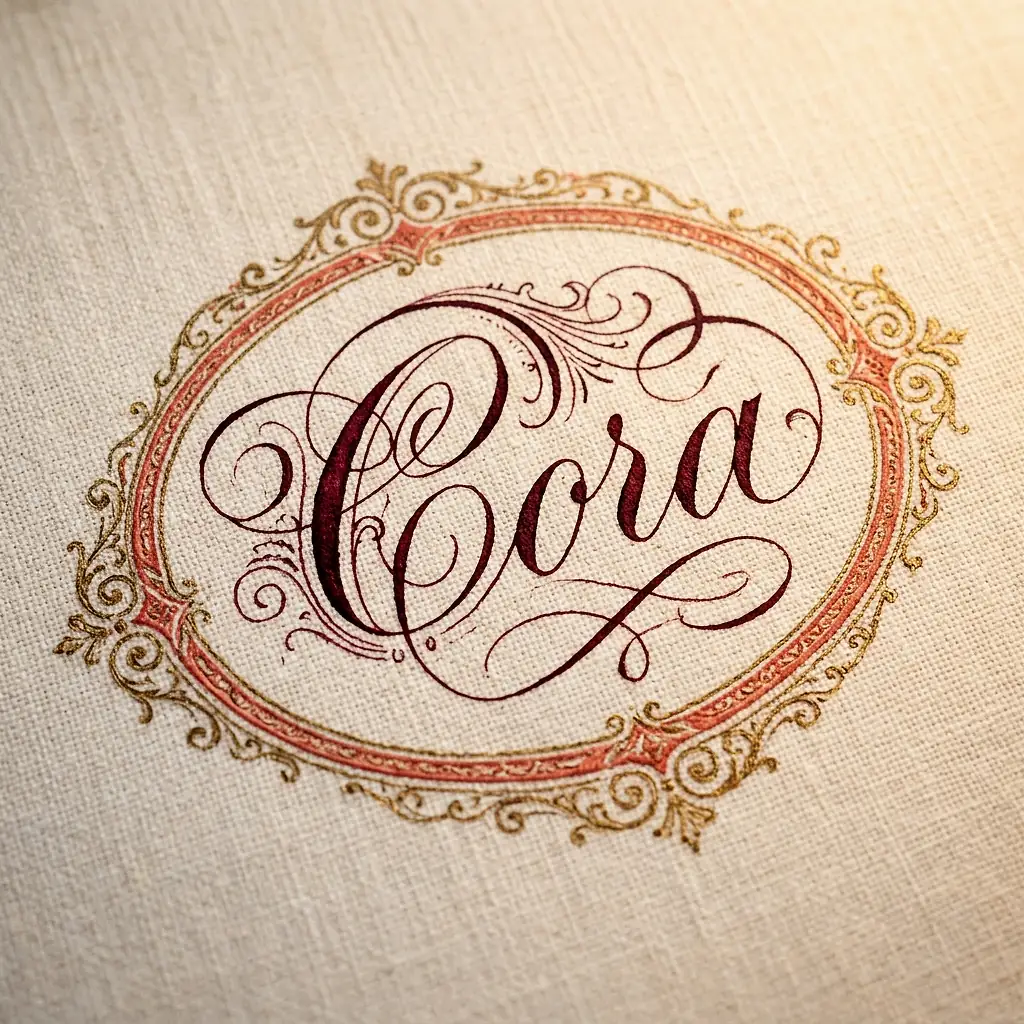
The name Cora carries a meaning that reaches back to the foundations of Western mythology. Derived from the Greek word ‘kore,’ it translates most directly as ‘maiden’ or ‘young girl.’ However, this simple translation conceals a wealth of deeper significance. In ancient Greek religion, Kore was the epithet used for Persephone before her descent into the underworld, the young, innocent daughter of Demeter, goddess of harvest. After Persephone’s transformation into queen of the dead, the name Kore recalled her original state of innocence and potential. This mythological layer gives Cora a profound duality: it speaks to youth and purity while carrying undertones of transformation, depth, and hidden strength. The name suggests a person who possesses more complexity beneath the surface than casual acquaintance might reveal. Its four letters and two clean syllables deliver this rich meaning with admirable economy.
Origin and History
While Cora’s etymological roots are Greek, its journey to prominence in English-speaking countries took an unusual path through American literature. James Fenimore Cooper is widely credited with popularizing the name through his 1826 novel ‘The Last of the Mohicans,’ in which Cora Munro is a central character of courage and moral complexity. Cooper may have drawn on the Greek ‘kore’ or simply invented the name for its sound, but the effect was decisive: Cora entered American naming culture and became moderately popular throughout the 19th century. In the early 1900s, Cora was a top 100 name in the United States before declining through the mid-20th century. The name all but vanished from popularity charts by the 1980s. Its 21st-century revival has been driven by the vintage name trend and reinforced by cultural touchpoints like the character Cora Crawley in ‘Downton Abbey.’ In Germany and France, Cora (and the variant Kora) has also found favour. The mythological connection to Persephone continues to give the name an intellectual and spiritual depth that distinguishes it from other short, sweet names.
Personality and Character
Individuals named Cora often exhibit a characteristic blend of gentleness and hidden depth. They tend to be quietly perceptive, observing and understanding far more than they immediately reveal. This contemplative nature does not make them withdrawn; rather, Coras are typically warm and approachable, capable of forming deep, lasting bonds with those who earn their trust. Their connection to the Persephone myth is apt: many Coras navigate between different worlds or aspects of their personality with surprising grace, comfortable in both lighthearted social settings and more serious, introspective moments. They frequently display strong intuition, often sensing what others need before it is expressed. Creatively, Coras may be drawn to poetry, music, or visual arts, where their sensitivity and depth of feeling can find authentic expression. Their loyalty is typically fierce; once a Cora considers someone a true friend, that bond is enduring. Occasionally, their depth of feeling can lead to periods of introspection or melancholy, but these episodes usually fuel personal growth rather than stagnation. Like those named Sophia, Coras combine beauty with substance.
Popularity
Cora’s popularity has traced an elegant revival arc. In the United States, the name ranked within the top 50 in the late 1800s, peaking around number 30 in the 1880s. It declined steadily through the 20th century, dropping out of the top 500 by the 1980s. The turnaround began in the early 2010s, accelerated by the premiere of ‘Downton Abbey’ in 2011, whose character Cora Crawley (the Countess of Grantham) brought the name back into public consciousness. By 2018, Cora had climbed back into the top 100 in America, and it currently ranks within the top 75. In Germany, Cora has been a more consistent presence, maintaining moderate popularity over several decades. France has also shown growing interest in the name. The related names Corinne and Coralie share the same Greek root but have followed different popularity trajectories. Cora’s current appeal rests on its combination of brevity, classical heritage, vintage charm, and the contemporary taste for short, strong names for girls that feel both modern and timeless.
Famous Bearers
The literary origins of Cora’s popularity make its most famous bearers a natural mix of fictional and real figures. Cora Munro from James Fenimore Cooper’s ‘The Last of the Mohicans’ is one of American literature’s early complex heroines, whose courage and moral strength in the face of frontier dangers helped define the name’s character. Cora Crawley, the American-born Countess of Grantham in ‘Downton Abbey,’ portrayed by Elizabeth McGovern, brought warmth, grace, and quiet strength to a role that introduced the name to millions of modern viewers. In the real world, Cora Coralina was a celebrated Brazilian poet whose work explored everyday life with extraordinary beauty and depth. Cora Witherspoon was an American actress known for her roles in classic Hollywood films. In Greek mythology, Kore (the original form) is Persephone herself, whose annual journey between the worlds of the living and the dead explained the changing seasons and remains one of mythology’s most enduring narratives. This mythological connection ensures that the name Cora will always carry a dimension of depth and transformation that sets it apart from other short, luminous names.